










Advanced Site Characterization Tools (ASCT) Training
Live Webinar: Tuesday, January 19, 2027, 1:00PM-3:00PM EST (18:00-20:00 UTC)
Sponsored by: Interstate Technology and Regulatory Council

Advanced site characterization tools (ASCT) are technologies that can rapidly collect detailed information about subsurface conditions, locations of contaminants of concern, and site geology. Through the use of individual ASCT or a combination of ASCT, they provide high-resolution geologic, hydrogeologic, and chemical data to support traditional and high resolution site characterization (HRSC) to delineate and understand contaminant distribution, support the development and update of the conceptual site model (CSM), and facilitate remedial decisions. ASCT can reduce investigation time and project life cycle costs.
ITRC’s Advanced Site Characterization Tools training will provide an overview of ASCT, how ASCT can be applied to improve the CSM and how to use the information in the guidance to evaluate and select the appropriate ASCT for a project. The training will focus on ASCT presented in four categories:
- Remote Sensing Tools
- Surface Geophysics Tools
- Borehole Geophysics Tools
- Direct Sensing Tools
Resources and further details about the topics included in this training are available in the ITRC ASCT-2 guidance document.
Learning Objectives
- Provide an understanding of use and application of ASCT
- Enforce the role and impact on CSM development and updates and on the life cycle management of a project
- Foster confidence in using and proposing ASCT
- Demonstrate the value of ASCT in high resolution site investigation as well as the value and benefits of integration of ASCT with traditional tools to benefit a project
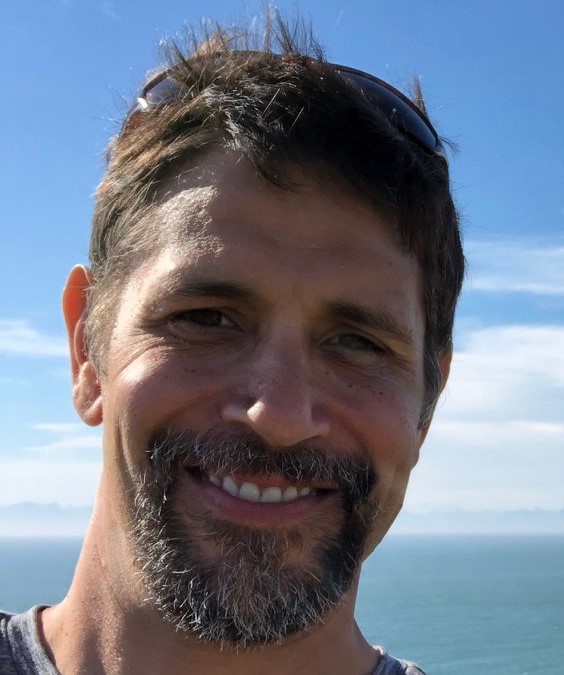 Mark Dhruv, EA Engineering, Science, and Technology, Inc. (mdhruv@eaest.com)
Mark Dhruv has 29 years of professional experience in geographic information systems (GIS), remote sensing, and environmental management. He currently serves as GIS Coordinator for EA Engineering, Science, and Technology, Inc., PBC, (EA) where he provides technical leadership and oversight for GIS and remote sensing activities supporting a broad range of EA disciplines. In his leadership role at EA, Mark oversees GIS professionals, establishes and standardizes geospatial workflows, provides technical direction and quality assurance, and supports the integration of GIS for EA’s broad range of clients that includes federal, state, and local agencies, commercial organizations, and non-profit entities. He has also led the development and implementation of innovative geospatial and field-data collection approaches, including drone-based remote sensing and mobile GIS technologies. Mark holds a B.S. in Marine Biology from Texas A&M University at Galveston and a M.S. in Environmental Science and Policy from Johns Hopkins University. His professional credentials include GISP certification, FAA Part 107 Certified Remote Pilot, and Senior Technical Reviewer for EA’s geospatial data.
 Joann Dyson, GHD (joann.dyson@ghd.com)
Joann Dyson, Ph.D., is a Senior Environmental Scientist and NAPL Subject Matter Expert with GHD in Durham, North Carolina. With more than 20 years of experience at NAPL-contaminated sites, she provides technical support to GHD project teams worldwide, specializing in conceptual site model development, high-resolution site characterization, and sustainable remediation. She has participated in ITRC since 2016 and has served as an LNAPL trainer. Joann holds a Bachelor of Science in physics from Wake Forest University and a Ph.D. in physics from the University of Georgia.
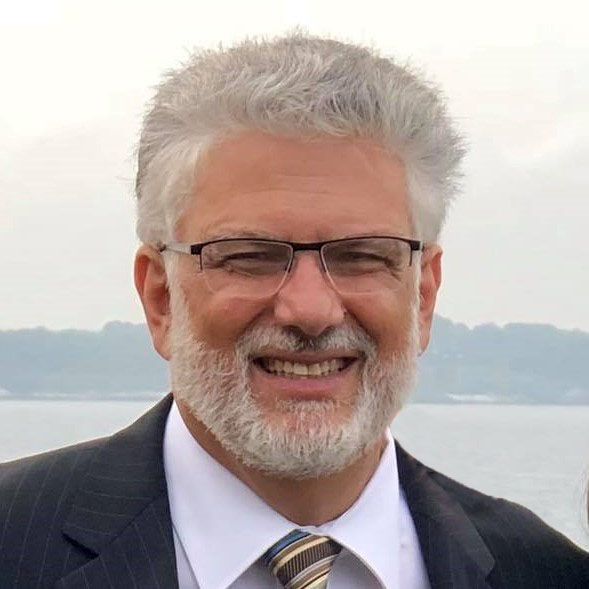 John Fontana, Vista GeoScience (jfontana@vistageoscience.com)
John Fontana is President and CEO of Vista GeoScience and has 40 years of experience in the management of drilling, laboratory and remediation services, including advanced site characterization and in-situ remediation technologies. His current work focuses on high-resolution site characterization (HRSC), conceptual site model development, stray gas migration, and the design and implementation of injection-based remediation systems in complex geologic settings. John is a Certified Professional Geologist, Certified Well Driller, and a licensed water well driller in multiple states. He has authored or co-authored over 100 technical presentations, papers, and training workshops and has supported large-scale investigation and remediation projects for the Department of War (Defense), Department of Energy, and commercial sites. In addition to assisting with the guidance document for the ITRC ASCT Update team, he also served on the “Optimizing Injection Strategies and In-Situ Remediation Performance” (ITRC OIS-ISRP) and “Hydrocarbons Training: Effective Application of ITRC Guidance Documents” teams. John also served on the USEPA Science Advisory Board panel evaluating the Impacts of Hydraulic Fracturing on Drinking Water. John holds a B.S. in Geology, Oceanography, and Physics from Cal Poly Humboldt.
 Samantha Frandsen, Aestus (smf@aestusllc.com)
Samantha Frandsen is a licensed Professional Geophysicist, a Hydrogeophysicist, and Project Manager at Aestus. She has over 8 years of experience in subsurface characterization and geophysical data acquisition, integration, and interpretation for environmental, groundwater resource, and geohazard risk assessment projects. Her experience includes work on complex sites across the U.S. mapping fracture networks and identifying mechanisms controlling contaminant migration to produce actionable 3D visual models that are used by project stakeholders to make informed decisions and mitigate risk. Samantha earned her Master’s degree in Exploration Geophysics from the University of Leeds (UK), where she deployed multiple geophysical techniques to investigate subsurface conditions at a former gasworks facility. She also holds a Bachelor’s degree in Physics and Classical Civilization from the University of Richmond. As a former high school physics teacher/Teach for America corps member, Samantha is passionate about education and helping the environmental industry leverage advanced site characterization technologies in order to improve remedial outcomes.
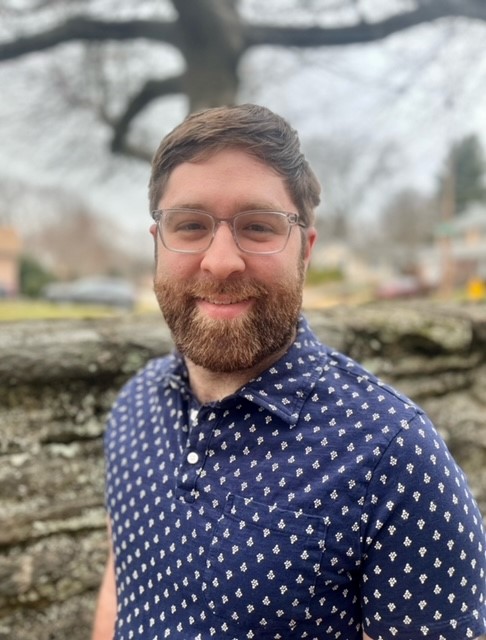 Patrick Kelly, Woodard & Curran (pkelly@woodardcurran.com)
Patrick Kelly is a geologist with Woodard & Curran and a Pennsylvania-licensed Professional Geologist with more than 5 years of experience supporting environmental site characterization, remediation, and groundwater investigation projects in diverse hydrogeologic settings across the United States. Patrick’s experience includes investigation and remediation of overburden and bedrock sites impacted by NAPL, organic compounds, metals, and emerging contaminants. His technical expertise includes high-resolution and advanced site characterization using direct-sensing and borehole geophysical tools, three-dimensional data visualization, conceptual site model development, and contaminant fate and transport evaluation. Patrick also has experience supporting the design, optimization, and implementation of in-situ remediation systems. His work has included developing injection strategies, treatment layouts, and performance monitoring approaches for in situ chemical oxidation (ISCO) and in situ chemical reduction (ISCR) applications, including targeted source zone treatment and permeable reactive barriers. He holds a B.S. in Earth and Planetary Sciences from the University of New Mexico and an M.S. in Geosciences from the University of Oklahoma.
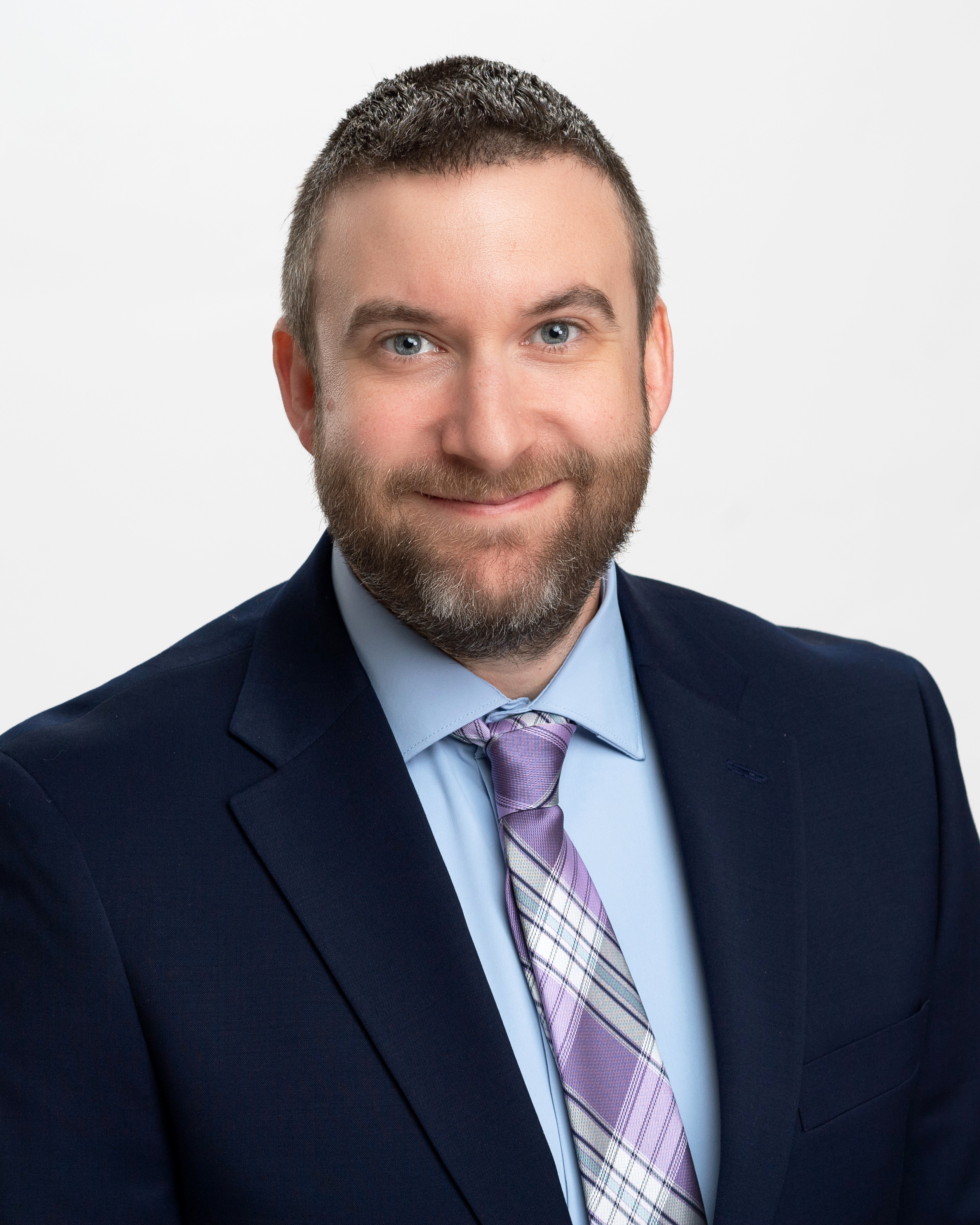 Brent Lazenby, Geosyntec Consultants (blazenby@geosyntec.com)
Brent Lazenby is a geochemist/hydrogeologist working for Geosyntec Consultants based in Louisiana. His work includes over 15 years of ASCT use on projects involving nitrogen compounds, metals, and volatile organic compounds in soil, surface water, sediment, and groundwater. He has had the opportunity to work with the regulatory community and clients across North America in implementing the use of ASCTs for sites ranging from closed landfills, agricultural setting, industrial environments, and in support of legal proceedings. He values the use of multiple tools in advancing site characterization, refining remediation approaches, and supplementing traditional performance monitoring approaches. Brent has participated in ITRC helping to develop the passive sampling tool guidance and appreciates the collaboration between private and public resources to produce valuable resources for the scientific community.
 Andrew Leavitt, California Department of Toxic Substances Control (andrew.leavitt@dtsc.ca.gov)
Andrew Leavitt, P.G. is a Professional Geologist with over 20 years of experience in the environmental industry, both as a consultant and a state regulator at the California Environmental Protection Agency’s Department of Toxic Substances Control (CalEPA’s DTSC). Andrew graduated from Occidental College, then served in the National Civilian Community Corps (Americorps NCCC). As an environmental professional, he has worked on the characterization of impacted media plumes as well as the design and implementation of remedial actions for several contaminants. For the last 16 years, he has had a particular focus on the evaluation and management of vapor intrusion (VI). He has combined his extensive fieldwork experience and strong writing skills to help produce guidance documents, training modules, and outreach materials as part of CalEPA’s Vapor Intrusion Workgroup, DTSC’s Vapor Intrusion team, and ITRC’s Vapor Intrusion Guidance team.
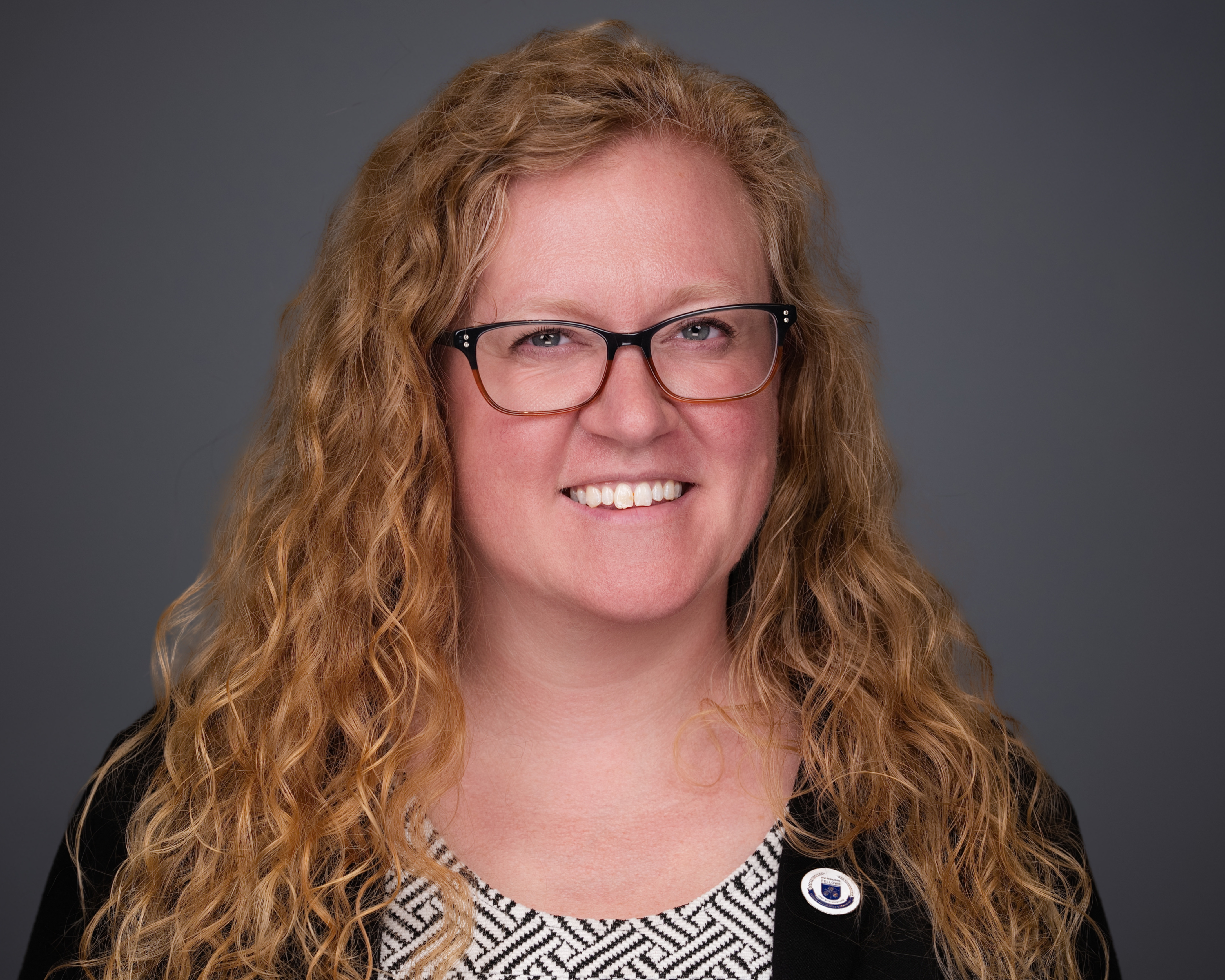 Karla Leslie, Parsons (karla.leslie@parsons.us)
Dr. Karla Leslie is a geologist, engineer, and geochemist with 20 years of experience in environmental remediation at sites with non-aqueous phase liquids, dissolved organics, dissolved inorganics, mine waste, and emerging contaminants such as 1,4-dioxane and PFAS. Her work leverages her interdisciplinary academic and research background in geochemistry, microbiology, geology, and engineering in the development, design, and implementation of remedial strategies at contaminated sites. She has extensive experience at contaminated sites designing the characterization approach (including high resolution site characterization and implementation of advanced site characterization tools), CSM development, data evaluation/reporting, technology/alternative screening, and remedy selection.
 John Mitsdarfer, Oklahoma Department of Environmental Quality (john.mitsdarfer@deq.ok.gov)
John Mitsdarfer is a project manager for the Voluntary Cleanup Program at the Oklahoma Department of Environmental Quality (DEQ), overseeing multiple remediation sites across the state. He is also part of DEQ’s Underground Injection Control (UIC) Program, serving as the Class I UIC Inspector and providing peer review for UIC Class V injection well permit applications, including Managed Aquifer Recharge (MAR) and Aquifer Storage and Recovery (ASR) Projects. He is the state agency representative Co-Chair for the Ground Water Protection Council’s ASR-MAR Workgroup. John worked for 20 years as an exploration and development geologist and geophysicist in the oil and gas industry. In 2021, John switched careers, obtaining an Environmental Geology certification, and working for the DEQ in RCRA permitting and corrective action. John graduated with his Bachelors and Master’s degrees in Geology from the University of Kansas. John also served on the Interstate Technology and Regulatory Council MAR Team as a writing team leader and training subgroup member.
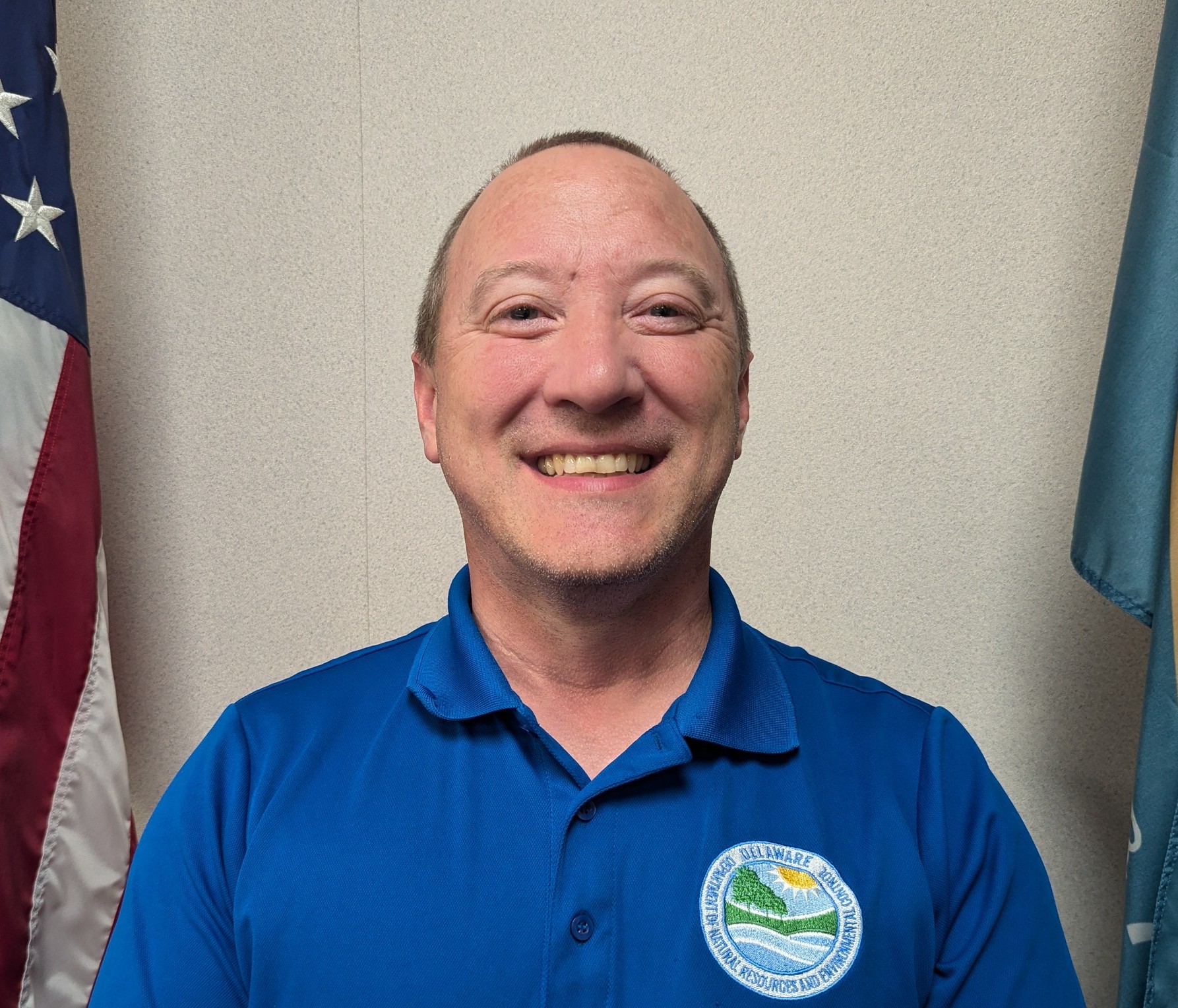 Mike Penzone, Delaware Department of Natural Resources (mike.penzone@delaware.gov)
Mike Penzone has over 20 years’ experience in Environmental Geology both as a regulator and consultant in drilling, collection of environmental samples, site observations, as well as experience in project management. This includes advanced site characterization tools and methods. He is a licensed professional geologist in Delaware and Pennsylvania. Mike currently works as hydrogeologist for the Delaware Department of Natural Resources and Environmental Control specializing in the State’s PFAS response including the investigation of PFAS contaminated sites. He has developed a working knowledge of the regional geologic setting of the Greater Philadelphia area including the Coastal Plain and Piedmont Provinces. Mike is also a part of the ITRC Board of Advisors and former Team co-lead.
 Crystal Pirozek, New Jersey Department of Environmental Protection (crystal.pirozek@dep.nj.gov)
Crystal Pirozek is a Supervisor in the Bureau of Remedial Action Permitting (BRAP) with the New Jersey Department of Environmental Protection (NJDEP) and has been with NJDEP since 2007. Prior to BRAP Crystal was a supervisor with the Bureau of Site Management (BSM) and a case manager/field investigator with the Bureau of Field Operations (BFO). Her experience includes management and oversight of contaminated sites, oversight of field work, funding and budget management, conducting compliance audits, document writing and editing, and permit writing. Crystal is the chairperson for the Field Sampling Procedures Manual (FSPM) Committee and was a co-lead for the ITRC Passive Sampling Update Team and the ITRC Advanced Site Characterization Technology Team. Crystal holds a Bachelor’s of Science degree in Environmental Studies from The Richard Stockton College of New Jersey, is a Certified Public Manager, and is attending Rutgers to obtain her Master’s in Public Administration.
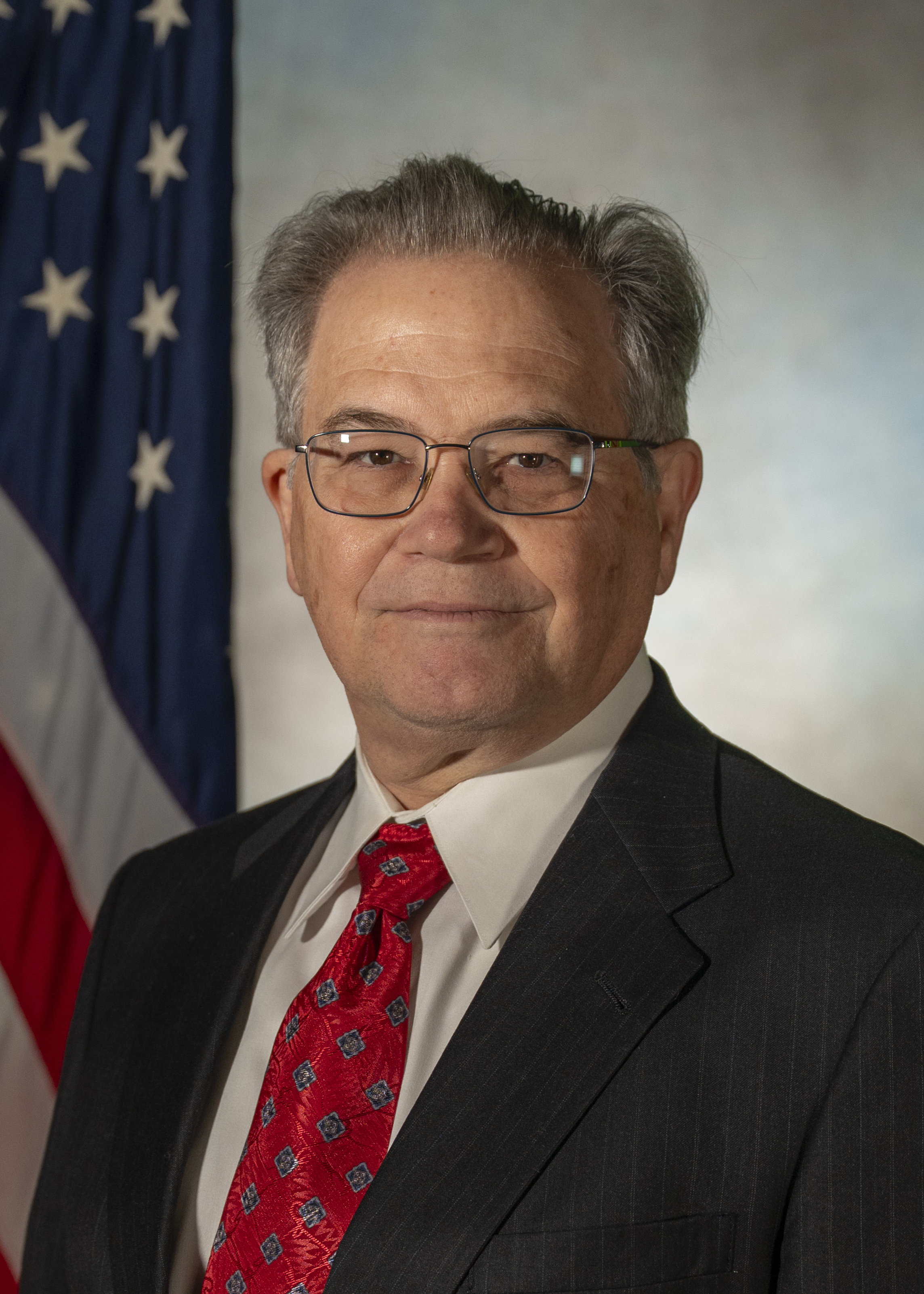 Mark Rodriguez, US Department of the Air Force (mark.rodriguez.2@us.af.mil)
Mark Rodriguez is a Senior environmental toxicologist with 25+ years of progressive experience supporting Department of the Air Force environmental restoration programs, remediation acquisition, human-health risk assessment, regulatory coordination, and emerging contaminant investigations. He is the technical lead support for multi-installation portfolios involving PFAS, perchlorate, vapor intrusion, groundwater, munitions response, and complex remediation. He is also experienced in Records of Decision, remedial investigations, technical document review, stakeholder engagement, and interagency collaboration. Additionally, Mark has 3 years’ of experience with Public Health Service (Texas) as a Public Health Advisor, 3 years of university-based environmental restoration contractor experience, and 1.5 years of experience with the Agency for Toxic Substance and Disease Registry (Atlanta, GA) as a risk assessor.
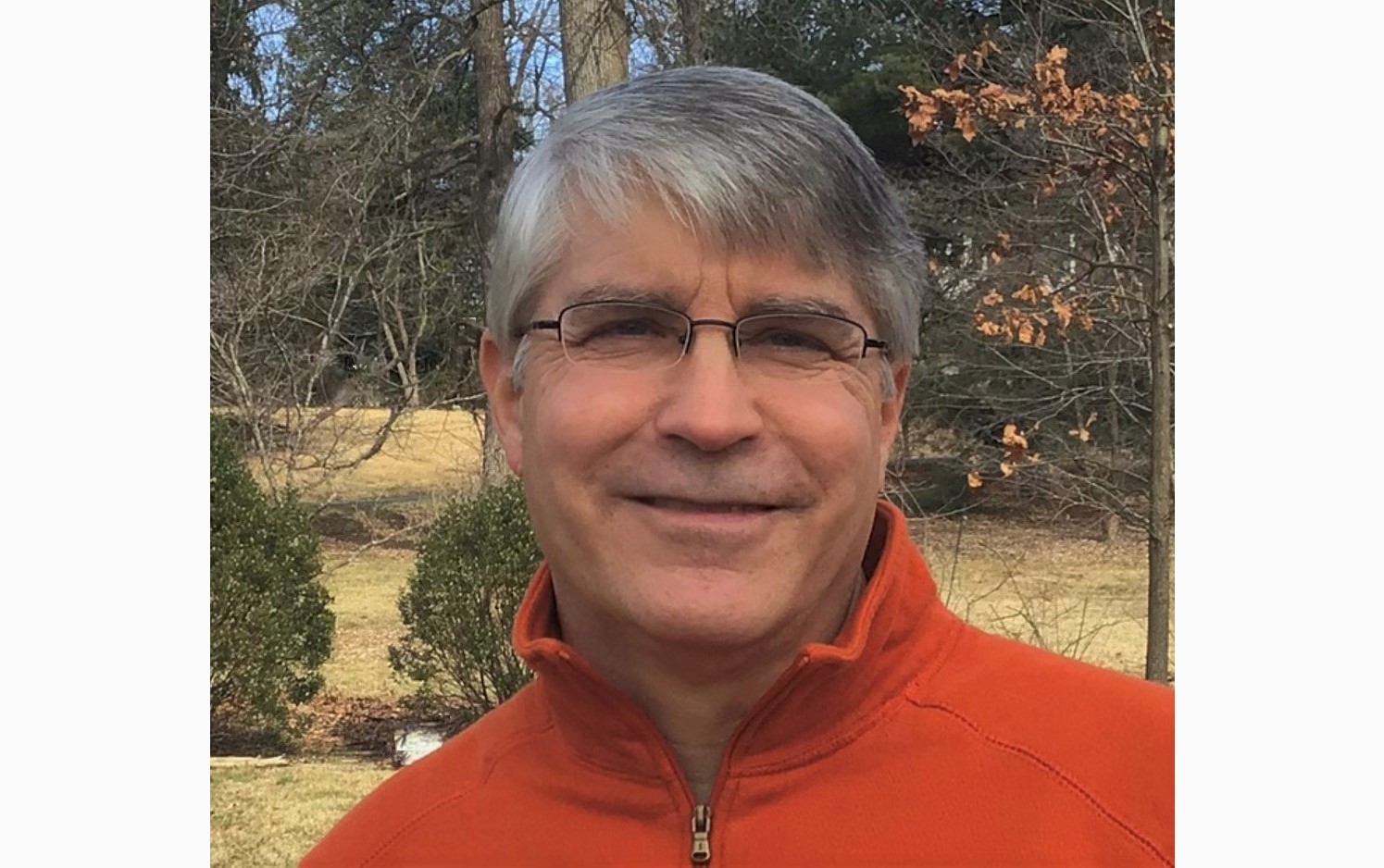 Ed Winner, Remediation Products, Inc. (ed@remediationproducts.com)
Edward Winner is vice president of Remediation Products Incorporated. Before joining RPI Inc., Ed served as Assistant Director in the Division of Waste Management for the Commonwealth of Kentucky and in other positions within the Division, including manager of Kentucky’s Underground Storage Tank Branch. Ed has a B.A. from Tennessee Temple University; a B.S. and a Ph.D. from the University of Louisville; and postdoctoral studies at the Lions Eye Institute.
Moderator:
ITRC Training Program (itrc@itrcweb.org)
- These materials will be available by Tuesday, January 19, 2027
Webinar Slides and References:
- These materials will be available by Tuesday, January 19, 2027
Additional Resources:
The feedback form for this webinar will be available starting on Tuesday, January 19, 2027.
Help & FAQs
- Frequently Asked Questions
- Content Questions?
Call ITRC Training Program at 202-266-4932 or itrc@itrcweb.org - Technical Problems?
Leave us a comment - Cancel Your Registration
- My Participation Records
- CEU Credits and PDHs
Zoom Resources
Before Webinar Day
This seminar will be delivered through Zoom. Participants are encouraged to update to the latest version of the Zoom application for the best experience.
If you are unable to install the Zoom application, most functions will be available if you join just using a modern web browser such as Chrome, Edge or Firefox. We strongly encourage you to run the Zoom Meeting Test prior to attending this webinar. Technical support on the day of the webinar will be very limited and subject to significant delays.
Backup Conference Call
If you cannot participate using online audio, you may join the optional call in line. After checking in for the live event using the instructions listed below, you will see several options to participate. Please click the links in option 4 to follow along by phone and obtain the call in number. If you cannot access the phone number, you may request the call in line from the event moderator in the Q&A or send an email to clu-in@epa.gov
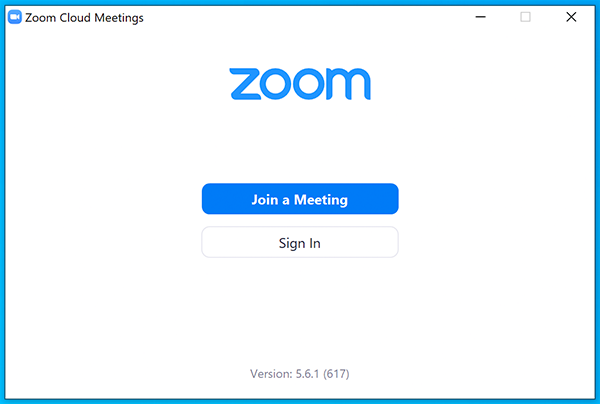
Click on "Join Webinar" at the top of this screen, enter your exact first and last name as you registered and enter the number of people attending at your location (including yourself). You should then be taken to the Zoom meeting room. Join with Zoom Application: For those joining with the Zoom application, you may be prompted to sign with a zoom account or join as a guest without signing in.
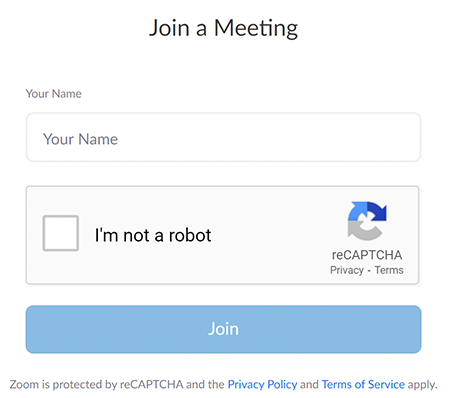
If joining as a guest, you will be prompted to enter your name and email address. Remember your name, image, video or voice may be visible to others in the live event. When done, click "Join" When it is time for the live event to start, the meeting host will admit you to the live Zoom meeting. Join via web browser (without the Zoom Application): For those joining with a web browser, you may close any pop ups prompting you to download the Zoom app. The next window will allow you to enter your name (first name and last name) and check the box that you are not a robot. Click the blue join button. You may also be asked to provide your email address before joining the room. Remember your name, image, video or voice may be visible to others in the live event. When done, click "Join" When it is time for the live event to start, the meeting host will admit you to the live Zoom meeting. You may need to periodically refresh the browser window to confirm if the host has admitted you. The presenters will control what slide you are viewing. You may submit questions online for the instructors to answer during the webinar by typing in the "Q&A" area. It is not necessary to wait until the question and answer periods to submit questions. At the end of the webinar you will be guided to our feedback form and links to additional resources, including the complete presentation. These links will remain active after the webinar. Provided for your convenience. Importing or accepting the invitation within this iCalendar file is not required, and declining the invitation does not cancel your registration. For additional information on iCalendar, please see our
iCalendar Help It is EPA's policy to make reasonable accommodation to persons with disabilities wishing to participate in the agency's programs and activities, pursuant to the Rehabilitation Act of 1973, 29 U.S.C. 791. Any request for accommodation should be made to ITRC Training Program at 202-266-4932 or itrc@itrcweb.org, preferably one week or more in advance of the seminar, so that EPA will have sufficient time to process the request. EPA would welcome specific recommendations from requestors specifying the nature or type of accommodation needed. EPA welcomes specific recommendations from requestors specifying the nature or type of accommodation needed. Please note that CLU-IN provides both alternate phone call-in options and closed captioning for all webinars, and requests for these specific accommodations are not necessary.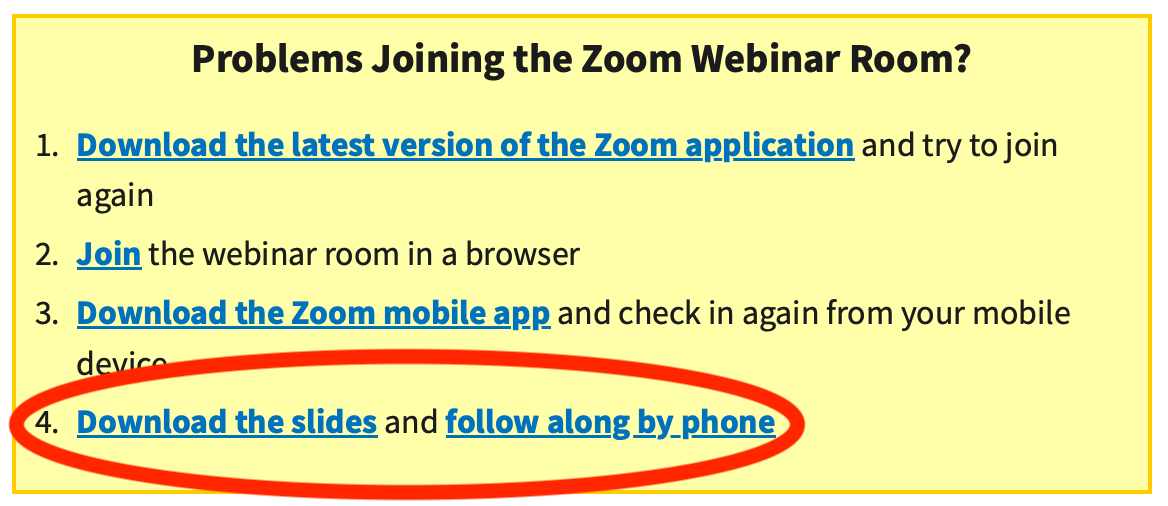
Webinar Day, Checking In

Moving Through Slides
Feedback & Links to Additional Resources
iCalendar File
Rehabilitation Act Notice for Reasonable Accommodation
Rehabilitation Act Notice for Reasonable Accommodation
It is EPA's policy to make reasonable accommodation to persons with disabilities wishing to participate in the agency's programs and activities, pursuant to the Rehabilitation Act of 1973, 29 U.S.C. 791. Any request for accommodation should be made to ITRC Training Program at 202-266-4932 or itrc@itrcweb.org, preferably one week or more in advance of the webinar, so that EPA will have sufficient time to process the request. EPA would welcome specific recommendations from requestors specifying the nature or type of accommodation needed. EPA welcomes specific recommendations from requestors specifying the nature or type of accommodation needed. Please note that CLU-IN provides both alternate phone call-in options and closed captioning for all webinars, and requests for these specific accommodations are not necessary.
Webinar Recording
By participating in this CLU-IN webinar, you automatically agree to authorize recording of audio and visual content presented during this live event and consent to subsequent use of this recording in the public domain by the U.S. Environmental Protection Agency. This recording may include questions, comments and poll responses provided by you during the live event in addition to your name, voice, image or likeness. This recording will be made available after the conclusion of the live event as part of the CLU-IN webinar archives, and will remain available indefinitely. If you do not wish to consent to the recording, please do not join the live event, and contact clu-in@epa.gov to discuss your concerns.
Content Disclaimer
This webinar is intended solely to provide information to the public. The views and opinions expressed as part of this webinar do not necessarily state or reflect those of the U.S. Environmental Protection Agency. It is not intended, nor can it be relied upon, to create any rights enforceable by any party in litigation with the United States, or to endorse the use of products or services provided by specific vendors. With respect to this webinar, neither the United States Government nor any of their employees, makes any warranty, express or implied, including the warranties of merchantability and fitness for a particular purpose, or assumes any legal liability or responsibility for the accuracy, completeness, or usefulness of any information, apparatus, product, or process disclosed, or represents that its use would not infringe privately owned rights.