










FRTR Spring 2026 General Meeting
Sponsored by: Federal Remediation Technologies Roundtable (FRTR)

The FRTR 2026 Spring General Meeting, conducted as two web-based virtual sessions, provides an opportunity to share best technical practices and results of recent technical advances in understanding and characterizing contaminant fate and migration across the GSI. The first virtual session explores current scientific understanding of key hydrological and biogeochemical processes affecting contaminant distribution and transport across a GSI. This session also explores available methods and tools for characterizing contaminant migration across a GSI. The second virtual session provides an overview of recent advances in development of innovative technologies for GSI characterization. The session ends with a discussion of needs for further technological development.
Agenda:
May 20, 2026: Session 1 — Current Understanding and Best Practices
John Reynolds, EPA
Kent Glover, AFCEC
Andrew Jackson, Texas Tech University
Martin Briggs, USGS
Everett Fortner (Trey), Noblis
John Reynolds, EPA
May 21, 2026: Session 2 — Advances in Innovative Technologies
John Reynolds, EPA
Kent Glover, AFCEC
Neil Terry, USGS
Michael Annable, University of Florida
Tim C. Johnson, Pacific Northwest National Laboratory
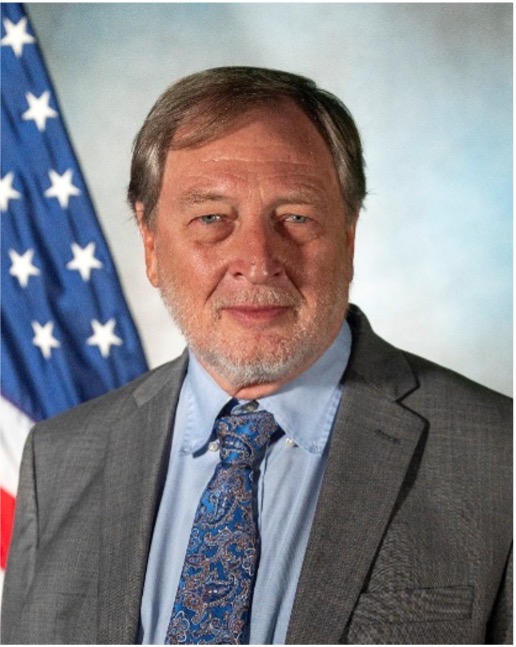 Kent C. Glover, PhD, Air Force Civil Engineer Center (AFCEC), Environmental Directorate, Joint Base San Antonio, TX (kent.glover@us.af.mil)
Dr. Kent Glover is the Air Force Subject Matter Expert for Environmental Remediation Engineering. As the lead Air Force consultant for selecting, developing and optimizing remediation systems, Dr. Glover and his group of technical specialists (1) develop engineering approaches to advance cleanup of sites impacted by per- and polyfluoroalkyl substance (PFAS), (2) optimize remediation performance at high risk, high complexity sites, (3) field test and upscale innovative characterization and remediation technologies, and (4) provide technical training and guidance for the Air Force environmental remediation community. Before coming to AFCEC in 2010, he was Principal Scientist for several consulting firms and served the USGS as Principal Investigator and hydrologist. He holds PhD and MS degrees from Colorado School of Mines and a BS from Colorado State University.
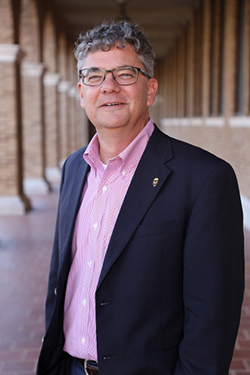 W. Andrew Jackson, PhD, PE, FAAAS, BCEE, Department Chair, Civil Environmental and Construction Engineering, Texas Tech University (Andrew.jackson@ttu.edu or 806-834-6575.)
Dr. Andrew Jackson is a Distinguished Horn Professor and Provost’s Integrated Scholar as well as Chair of the Department of Civil Environmental and Construction Engineering at Texas Tech University. Andrew received his B.S. degree in Biology from Rhodes College and a M.S. and Ph.D. from Louisiana State University in Engineering Science with an emphasis in Environmental Engineering. He is a board-certified environmental engineer and a fellow of the American Association for the Advancement of Science. His research interests include evaluating the fate and transport of a variety of contaminants in natural environments, including: perchlorate, heavy metals, explosives, PFAS, and chlorinated solvents, along with the development of methods to study these processes at appropriate scales. His work focuses on understanding how biogeochemistry controls the fate of contaminants as how it can be manipulated to remediate contaminated sites. He has also been actively developing biological reactors for recycling of space habitation waste streams in closed loop life support systems and their applications for terrestrial nutrient control. His research activities include a mix of field work, both nationally and internationally (Antarctica), and laboratory studies. His research spans the spectrum of pure science (e.g. perchlorate formation on Mars) to the very applied (e.g. development of direct drive passive samplers). He has published over 120 journal publications and book chapters with more than 6000 citations. Andrew has served as a principal or co-principal investigator on grants sponsored by a variety of agencies including DOE, DoD, EPA, and NASA. He has served on several project advisory boards and is the vice President of the American Association of Environmental Engineering and Science Professors. He has been recognized with several University and International awards including Environmental Science and Technology’s best paper of the year (2005, 2025), the ICES award (2018); Barnie Rushing Distinguished Research Award, and Presidents Excellence in Teaching Award.
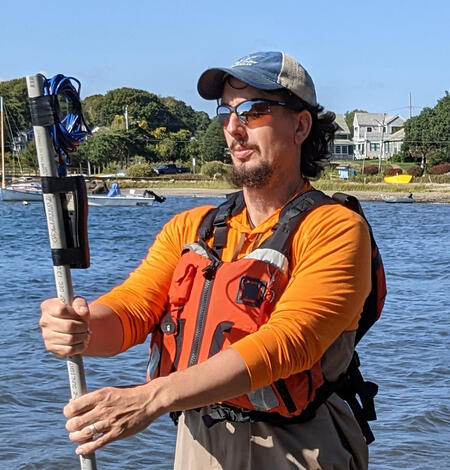 Martin Briggs, Ph.D., U.S. Geological Survey (mbriggs@usgs.gov)
Dr. Marty Briggs works with the US Geological Survey (USGS), Water Mission Area, Hydrologic Remote Sensing Branch, and is based at the University of Connecticut in Storrs, CT, USA. Marty works on a dynamic mix of field and data analysis projects across the USA and leads numerous hydrogeophysical methods development and training activities. In addition to his USGS responsibilities, Marty is adjunct faculty at the University of Connecticut and typically co-advises several graduate students, along with ongoing research collaborations with the EPA. The overarching theme of Marty's research has been quantifying how and where groundwaters and surface waters are connected using innovative measurement technologies and analysis techniques. Marty holds a Geology BS from the University of Massachusetts (2002), a Hydrology MS from the Colorado School of Mines (2009), and a (Hydro)Geology PhD from Syracuse University (2012), and is an author on over 110 peer reviewed scientific papers.
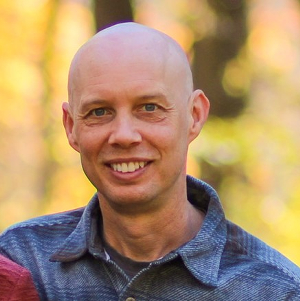 Everett Fortner (Trey), Noblis (Everett.Fortner@noblis.org)
Mr. Fortner is a Subject Matter Expert (SME) Hydrogeologist at Noblis, holding a Master's degree in Geological Sciences and a professional geologist license. He specializes in quantitative hydrogeologic assessments that support conceptual site model (CSM) development, contaminant fate and transport analysis, and remediation strategy design. He has led multiple initiatives to develop comprehensive data management strategies, including solutions for large-scale datasets. His expertise includes groundwater hydraulics, high-resolution in-situ instrumentation, data visualization, and advanced analysis with applications to refine CSMs and optimize remediation approaches. At Noblis, Mr. Fortner focuses on understanding PFAS and other contaminants affecting U.S. government facilities across North America, bringing both technical skill and creative problem-solving to complex environmental challenges.
Neil Terry, U.S. Geological Survey (nterry@usgs.gov)
Neil Terry is a hydrologist with the U.S. Geological Survey whose work centers on advancing the understanding of groundwater remediation processes and groundwater–surface water interactions through innovative hydrogeophysical methods. With a PhD in Environmental Science and extensive experience spanning field investigations, geophysical survey design, and machine‑learning–supported data analysis, Terry has led and contributed to numerous studies characterizing contaminant plume discharge, saline and fresh groundwater exchange, mine‑impacted groundwater characterization, and thermal refugia in riverine systems. His research integrates electromagnetic, seismic, thermal, and hydrologic measurements to map subsurface flow dynamics at multiple scales, with field applications ranging from abandoned mine lands to large river corridors. In addition to publishing widely in peer‑reviewed journals and leading U.S. Geological Survey reports and data releases, Terry teaches specialized short courses, mentors early‑career scientists, and collaborates across agencies to improve the scientific basis for water‑resource management and remediation strategies.
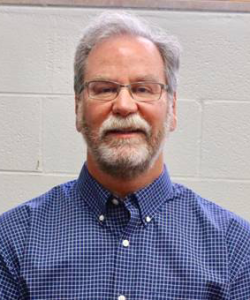 Michael D. Annable (michael.annable@essie.ufl.edu)
Dr. Annable has been a faculty member in the Department of Environmental Engineering Sciences at the University of Florida since 1992. He received his Ph.D. from Michigan State University working on soil vapor extraction of multi-component non-aqueous phase liquids. His research interests are in physical-chemical processes related to field scale application of innovative technologies for subsurface remediation. Studies have been conducted at field sites including, Hill AFB Utah, CFB Borden Ontario, Dover AFB Delaware, NASA KSC Florida and Ft. Lewis Washington. Results from these field studies are being used to define the relationship between contaminant mass removal and mass flux/plume response. His research also focuses on innovative methods for measuring contaminant flux and groundwater flow in aquifers. The patented passive flux meter approach has been tested at more than 40 field sites. Dr. Annable has published more than 75 journal articles and three patents and currently serves as an Associate Editor for the Journal of Contaminant Hydrology. Dr. Annable’s research funding has totaled about $7M will about $3M as PI. Funding sources include EPA, Air Force, Army, DOE and USGS.
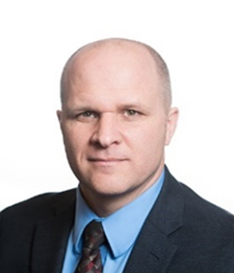 Tim Johnson, PNNL (TJ@pnnl.gov)
Dr. Tim Johnson is a computational geophysicist at the Pacific Northwest National Laboratory. He is internationally recognized for his technical contributions to subsurface geophysical imaging and process monitoring. His primary research is focused on characterizing and monitoring subsurface properties and processes using autonomous geophysical measurements, with an emphasis on electrical methods. Dr. Johnson is the original developer of the award winning E4D software, parallel electrical resistivity tomography and spectral induced polarization inversion code designed specifically for 4D subsurface imaging (https://e4d.pnnl.gov).
Moderators:
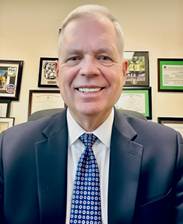 Ray Ledbetter, U.S. EPA Office of Superfund and Emergency Management (OSEM) (Ledbetter.Ray@epa.gov or 202-564-8564)
Ray Ledbetter brings over three decades of environmental expertise to his work, with a federal career spanning more than 17 years at the U.S. Environmental Protection Agency. Currently serving as an Emergency Management Specialist in OSEM's Workforce Readiness and Training Branch, he leads the planning and delivery of training programs for On-Scene Coordinators and Remedial Project Managers; including OSC Readiness, NARPM, the CERCLA Education Center, and the CLU-IN platform. Throughout his EPA tenure, Ray has held notable roles including Acting Special Assistant to the OEM Director, Acting Associate Director, and Physical Scientist with the Environmental Response Team. Beyond his federal service, he has been appointed three times by U.S. Presidents to the Selective Service System and volunteers as a Hazmat Safety Officer with the Baker Heights Volunteer Fire Department in West Virginia. Ray holds both an M.S. and B.S. in Geology and is licensed as a professional geologist in multiple states. He is a Certified Professional Geologist through the American Institute of Professional Geologists and holds the dual distinction of Chartered Geologist and Fellow of the Geological Society of London.
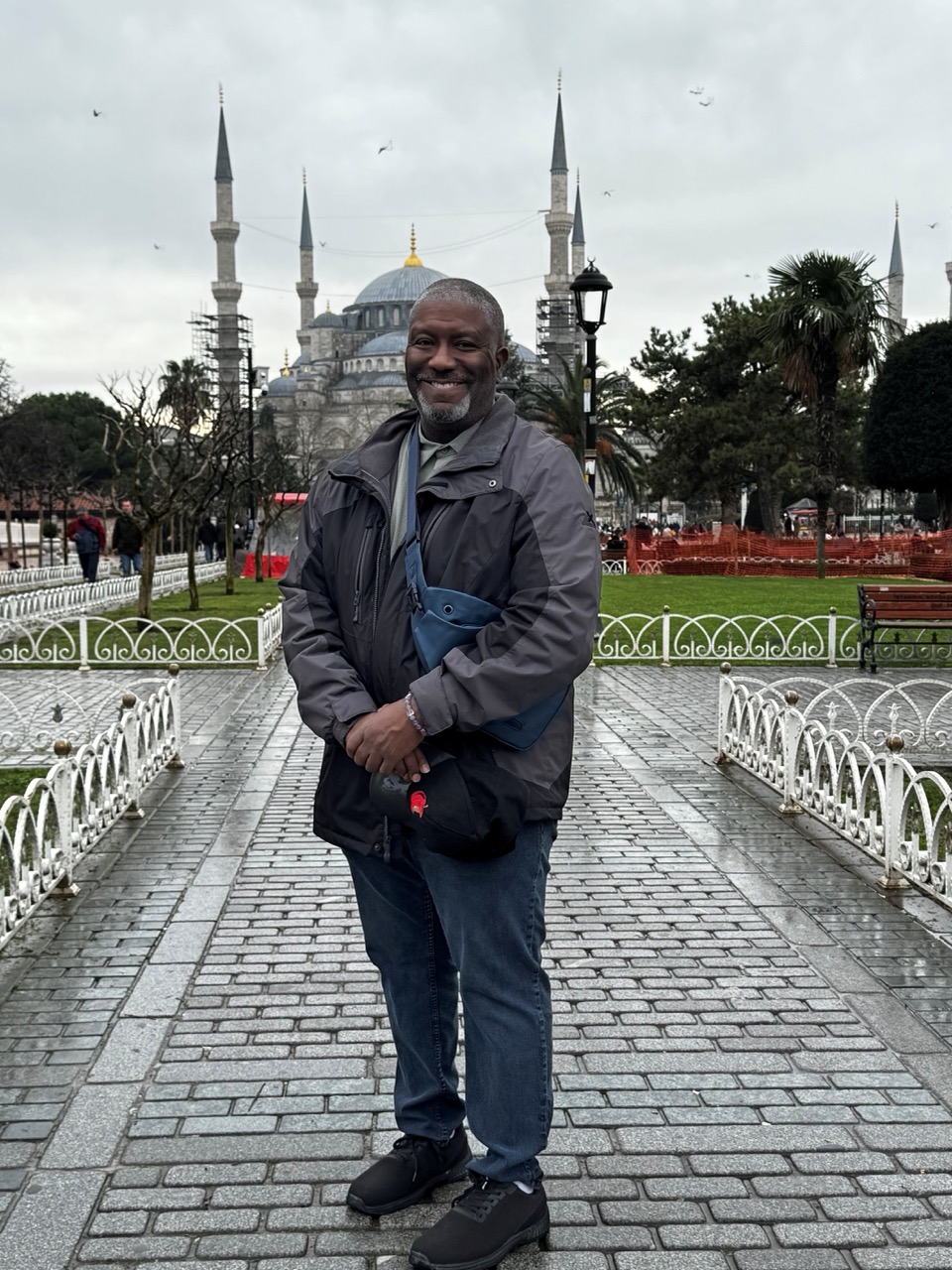 John Davis Reynolds Jr., U.S. EPA Office of Superfund and Emergency Management (OSEM) (Reynolds.John.D@epa.gov or 202-817-0409)
John (JR) Reynolds serves as a program analyst in EPA's Office of Superfund and Emergency Management (OSEM), within the Division of Response Readiness and Development, where he leads training integration for federal facilities, rapid response removal training, project-management knowledge transfer, and digital learning initiatives. He brings 34 years of U.S. Army service to the role, along with deep expertise in program and training management, crisis communications and planning, media and public engagement, and preparedness planning for Defense Support of Civil Authorities (DSCA) and Continuity of Operations (COOP). His professional background spans higher education, the nonprofit sector, and corporate environments. He holds degrees from Florida A&M University, the University of Toledo, the University of Missouri, and the University of Oklahoma, and completed additional graduate study at the University of Alabama.
-
 Slide Presentation for Andrew Jackson, Texas Tech University (2.67MB/PDF)
-
Slide Presentation for Martin Briggs, USGS (8.24MB/PDF)
-
Slide Presentation for Everett Fortner (Trey), Noblis (1.22MB/PDF)
-
Slide Presentation for Neil Terry, USGS (2.73MB/PDF)
-
Slide Presentation for Michael Annable, University of Florida (2.88MB/PDF)
-
Slide Presentation for Tim C. Johnson, Pacific Northwest National Laboratory (4.28MB/PDF)
Webinar Slides and References:
-
Slide Presentation for Andrew Jackson, Texas Tech University (2.67MB/PDF)
-
Slide Presentation for Martin Briggs, USGS (8.24MB/PDF)
-
Slide Presentation for Everett Fortner (Trey), Noblis (1.22MB/PDF)
-
Slide Presentation for Neil Terry, USGS (2.73MB/PDF)
-
Slide Presentation for Michael Annable, University of Florida (2.88MB/PDF)
-
Slide Presentation for Tim C. Johnson, Pacific Northwest National Laboratory (4.28MB/PDF)
Additional Resources:
Thank you for participating in our webinar. We would like to receive any feedback you might have that would make this service more valuable.
Help & FAQs
- Frequently Asked Questions
- Content Questions?
Call Kent Glover at 380-457-8121 or kent.glover@us.af.mil - Technical Problems?
Leave us a comment - Cancel Your Registration
- My Participation Records
- CEU Credits and PDHs
Zoom Resources
Before Webinar Day
This seminar will be delivered through Zoom. Participants are encouraged to update to the latest version of the Zoom application for the best experience.
If you are unable to install the Zoom application, most functions will be available if you join just using a modern web browser such as Chrome, Edge or Firefox. We strongly encourage you to run the Zoom Meeting Test prior to attending this webinar. Technical support on the day of the webinar will be very limited and subject to significant delays.
Backup Conference Call
If you cannot participate using online audio, you may join the optional call in line. After checking in for the live event using the instructions listed below, you will see several options to participate. Please click the links in option 4 to follow along by phone and obtain the call in number. If you cannot access the phone number, you may request the call in line from the event moderator in the Q&A or send an email to clu-in@epa.gov
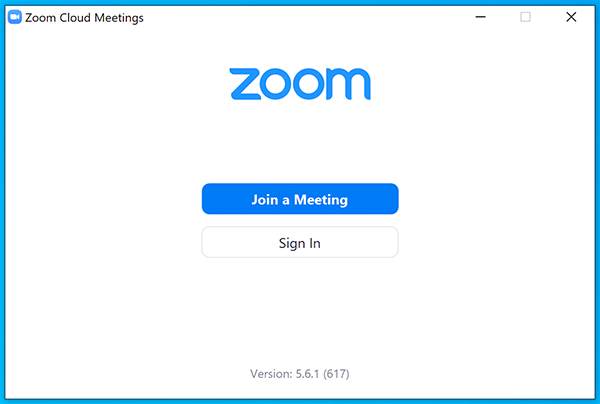
Click on "Join Webinar" at the top of this screen, enter your exact first and last name as you registered and enter the number of people attending at your location (including yourself). You should then be taken to the Zoom meeting room. Join with Zoom Application: For those joining with the Zoom application, you may be prompted to sign with a zoom account or join as a guest without signing in.
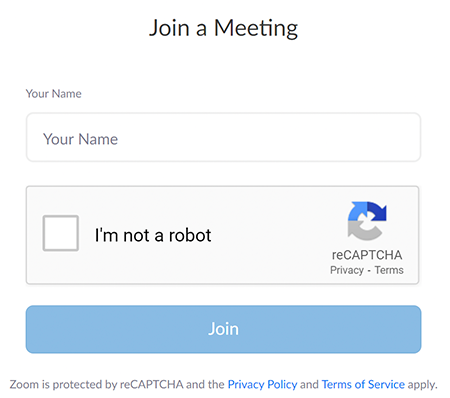
If joining as a guest, you will be prompted to enter your name and email address. Remember your name, image, video or voice may be visible to others in the live event. When done, click "Join" When it is time for the live event to start, the meeting host will admit you to the live Zoom meeting. Join via web browser (without the Zoom Application): For those joining with a web browser, you may close any pop ups prompting you to download the Zoom app. The next window will allow you to enter your name (first name and last name) and check the box that you are not a robot. Click the blue join button. You may also be asked to provide your email address before joining the room. Remember your name, image, video or voice may be visible to others in the live event. When done, click "Join" When it is time for the live event to start, the meeting host will admit you to the live Zoom meeting. You may need to periodically refresh the browser window to confirm if the host has admitted you. The presenters will control what slide you are viewing. You may submit questions online for the instructors to answer during the webinar by typing in the "Q&A" area. It is not necessary to wait until the question and answer periods to submit questions. At the end of the webinar you will be guided to our feedback form and links to additional resources, including the complete presentation. These links will remain active after the webinar. Provided for your convenience. Importing or accepting the invitation within this iCalendar file is not required, and declining the invitation does not cancel your registration. For additional information on iCalendar, please see our
iCalendar Help It is EPA's policy to make reasonable accommodation to persons with disabilities wishing to participate in the agency's programs and activities, pursuant to the Rehabilitation Act of 1973, 29 U.S.C. 791. Any request for accommodation should be made to at or , preferably one week or more in advance of the webinar, so that EPA will have sufficient time to process the request. EPA would welcome specific recommendations from requestors specifying the nature or type of accommodation needed. EPA welcomes specific recommendations from requestors specifying the nature or type of accommodation needed. Please note that CLU-IN provides both alternate phone call-in options and closed captioning for all webinars, and requests for these specific accommodations are not necessary.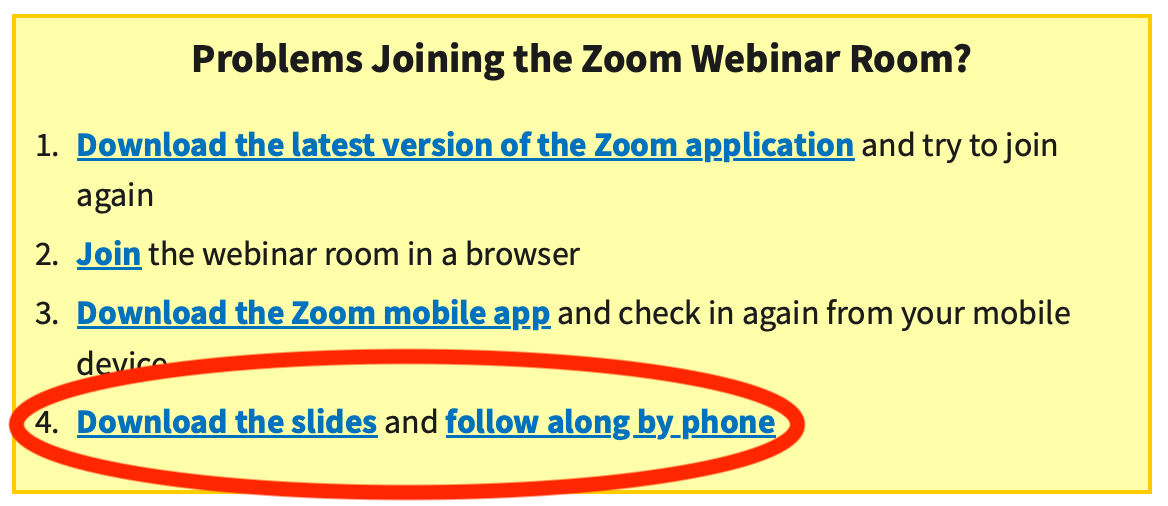
Webinar Day, Checking In

Moving Through Slides
Feedback & Links to Additional Resources
iCalendar File
Rehabilitation Act Notice for Reasonable Accommodation
Rehabilitation Act Notice for Reasonable Accommodation
It is EPA's policy to make reasonable accommodation to persons with disabilities wishing to participate in the agency's programs and activities, pursuant to the Rehabilitation Act of 1973, 29 U.S.C. 791. Any request for accommodation should be made to at or , preferably one week or more in advance of the webinar, so that EPA will have sufficient time to process the request. EPA would welcome specific recommendations from requestors specifying the nature or type of accommodation needed. EPA welcomes specific recommendations from requestors specifying the nature or type of accommodation needed. Please note that CLU-IN provides both alternate phone call-in options and closed captioning for all webinars, and requests for these specific accommodations are not necessary.
Webinar Recording
By participating in this CLU-IN webinar, you automatically agree to authorize recording of audio and visual content presented during this live event and consent to subsequent use of this recording in the public domain by the U.S. Environmental Protection Agency. This recording may include questions, comments and poll responses provided by you during the live event in addition to your name, voice, image or likeness. This recording will be made available after the conclusion of the live event as part of the CLU-IN webinar archives, and will remain available indefinitely. If you do not wish to consent to the recording, please do not join the live event, and contact clu-in@epa.gov to discuss your concerns.
Content Disclaimer
This webinar is intended solely to provide information to the public. The views and opinions expressed as part of this webinar do not necessarily state or reflect those of the U.S. Environmental Protection Agency. It is not intended, nor can it be relied upon, to create any rights enforceable by any party in litigation with the United States, or to endorse the use of products or services provided by specific vendors. With respect to this webinar, neither the United States Government nor any of their employees, makes any warranty, express or implied, including the warranties of merchantability and fitness for a particular purpose, or assumes any legal liability or responsibility for the accuracy, completeness, or usefulness of any information, apparatus, product, or process disclosed, or represents that its use would not infringe privately owned rights.