










FRTR Fall 2026 General Meeting: Recent Developments in PFAS Remediation Technologies
Live Webinar: Tuesday, December 15, 2026, 8:00AM-5:00PM EST (13:00-22:00 UTC)
Sponsored by: Federal Remediation Technologies Roundtable

Introduction to the FRTR Fall 2026 Meeting
Understanding per- and polyfluoroalkyl substances (PFAS) toxicity, sampling, behavior in the environment and treatment has required sustained efforts in technology research, development, testing, and evaluation (RDT&E). Together with these efforts, effective technology transfer has been critical to providing remediation practitioners with best available tools and targeted remediation strategies for managing and restoring sites posing unacceptable risks. In recent years, FRTR meeting discussions have included PFAS-related topics such as "Source Differentiation and Risk Assessment"(Fall 2024), "PFAS Characterization Technologies" (Fall 2023), and "Emerging Characterization and Remedial Technologies" (Fall 2018). The pace of PFAS-related RDT&E has only increased since these earlier meetings and the PFAS knowledge base has expanded substantially.
Meeting Objective
The FRTR 2026 Fall Meeting, held in-person and virtually, focuses on advanced remediation technologies for PFAS. It provides an opportunity to share the expanding PFAS knowledge base and highlights progress in the rapidly evolving field of PFAS remediation. Invited speakers provide presentations and panel discussions to share accomplishments and new methodologies in key technical areas and discuss application of recent advances in characterization and remediation of PFAS-impacted sites. The morning session will focus on recent advances in PFAS characterization, fate, and transport. The afternoon session will build on these topics by exploring PFAS numerical modeling, technology transfer, and PFAS destruction technologies.
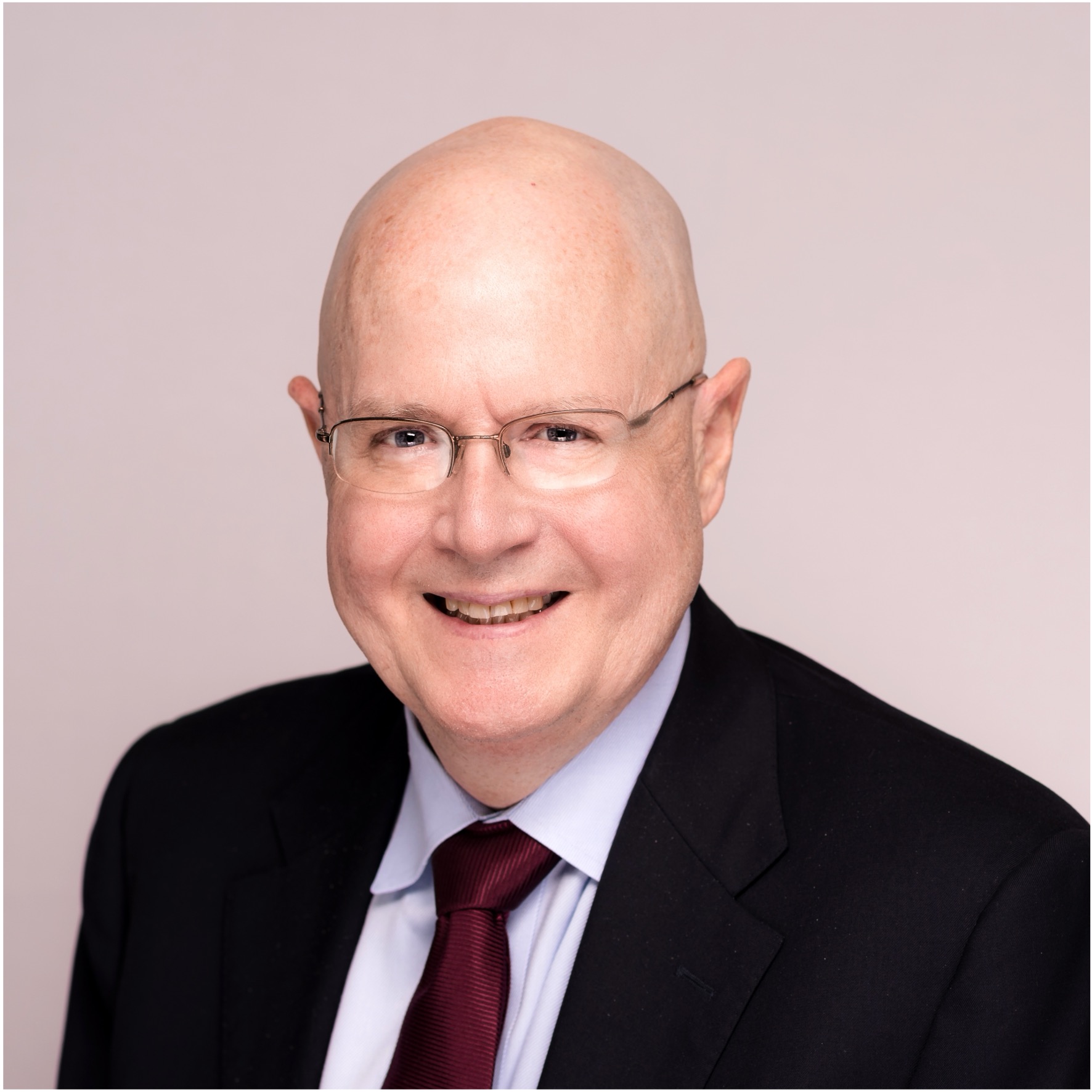 Charles Newell, Ph.D., P.E., GSI Environmental Inc.
Dr. Charles Newell is a Vice President at GSI Environmental Inc. in Houston, Texas. He is a Board Certified Environmental Engineer (BCEE) through the American Academy of Environmental Engineers and Scientists (AAEES), a Certified Groundwater Professional with the National Ground Water Association (NGWA), and an Adjunct Professor at Rice University. Dr. Newell has co-authored more than 30 technical publications on PFAS fate, transport, and remediation, and has led multiple PFAS research projects funded by the U.S. Department of War. His honors include the 2014 SERDP Project of the Year Award (Co-Principal Investigator), the 2016 ITRC Environmental Excellence Award, the 2019 AEHS Foundation Achievement Award, and the 2024 Gordon Maskew Fair Award from AAEES.
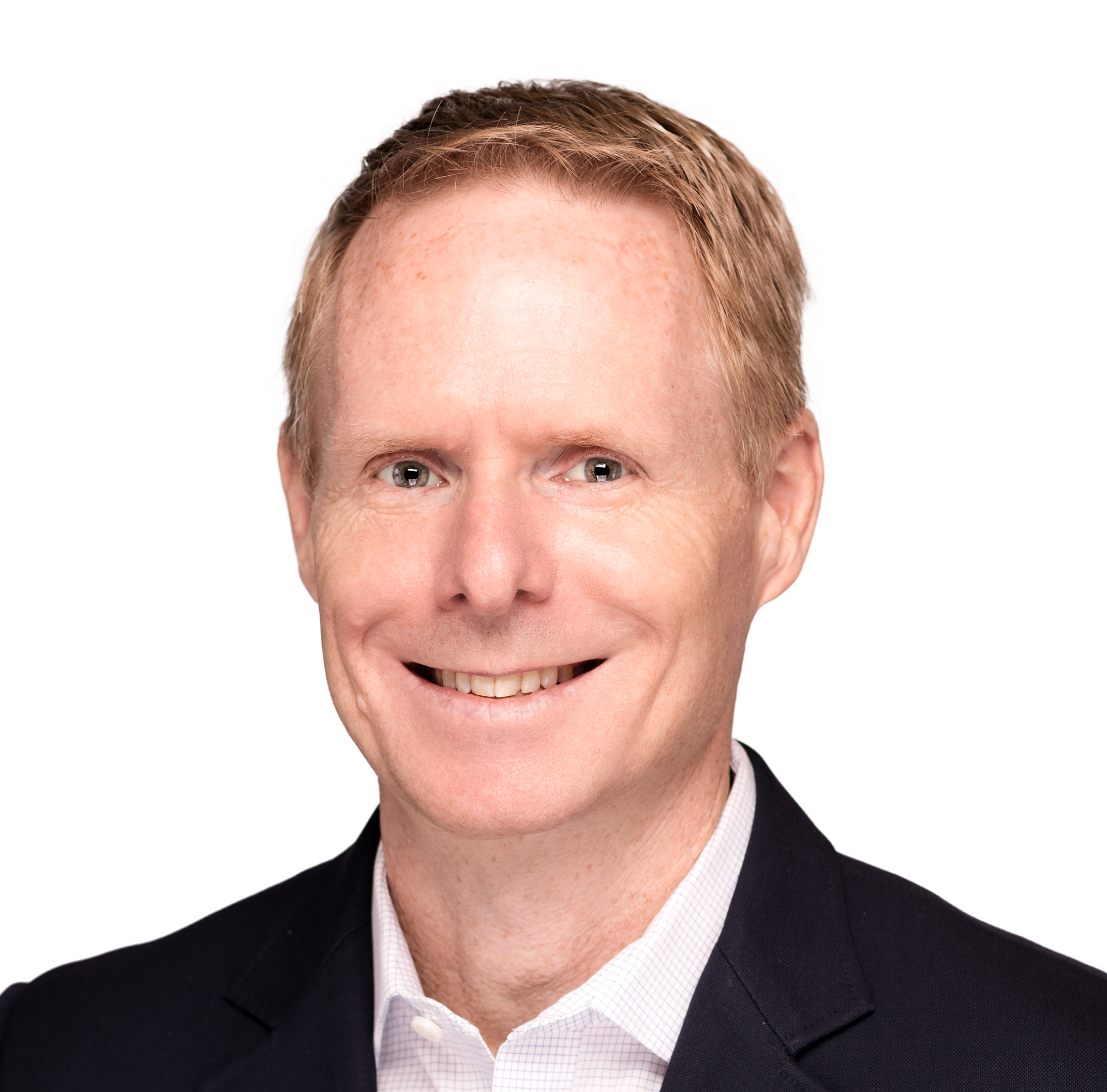 David Adamson, Ph.D., P.E., GSI Environmental Inc.
Dr. David Adamson is a Vice President and Principal Engineer with GSI Environmental Inc. and has more than 26 years of project and research experience. Since joining GSI in 2004, Dr. Adamson has served as a Principal Investigator or co-Principal Investigator on over 25 DoW-sponsored research projects, including those focused on PFAS, 1,4-dioxane, innovative long-term monitoring strategies, enhanced amendment delivery systems, and improved characterization and treatment methods for contaminants in low-permeability matrices. He has served as an adjunct professor and lecturer at Rice University in the Civil and Environmental Engineering Department.
 Jovan Popovic, Naval Facilities Engineering and Expeditionary Warfare Center (NAVFAC EXWC) (jovan.popovic@navy.mil or 805-982-6081)
Jovan Popovic is an environmental engineer at the Naval Facilities Engineering and Expeditionary Warfare Center (NAVFAC EXWC) in Port Hueneme, CA. At EXWC, Jovan has been involved with a variety of environmental restoration projects, with a primary focus on PFAS treatment technology development and field validation. Jovan completed his Ph.D. in Environmental Engineering and Science at Clemson University, and he received a B.S. in Molecular and Cellular Biology from the University of Illinois at Urbana-Champaign.
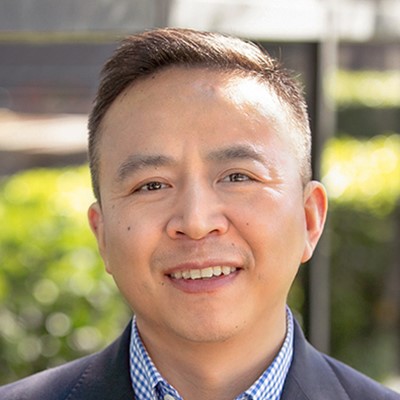 John Xiong, Ph.D., Haley & Aldrich
Dr. John Xiong is a Principal Consultant and Applied Research Leader at Haley & Aldrich. He has over 20 years of experience in environmental engineering, consulting, and applied research. He has developed cost-effective and streamlined strategies for final remedies accepted by federal and state regulatory agencies on projects that entail complex technical and policy issues. As a PFAS subject-matter expert, he has led PFAS investigation and remediation projects at various sites across the country. He is currently leading several applied research projects funded by federal agencies to develop and demonstrate innovative technologies for PFAS treatment and assessment. John is a licensed Professional Engineer in California and holds a doctoral degree in Civil Engineering from Auburn University.
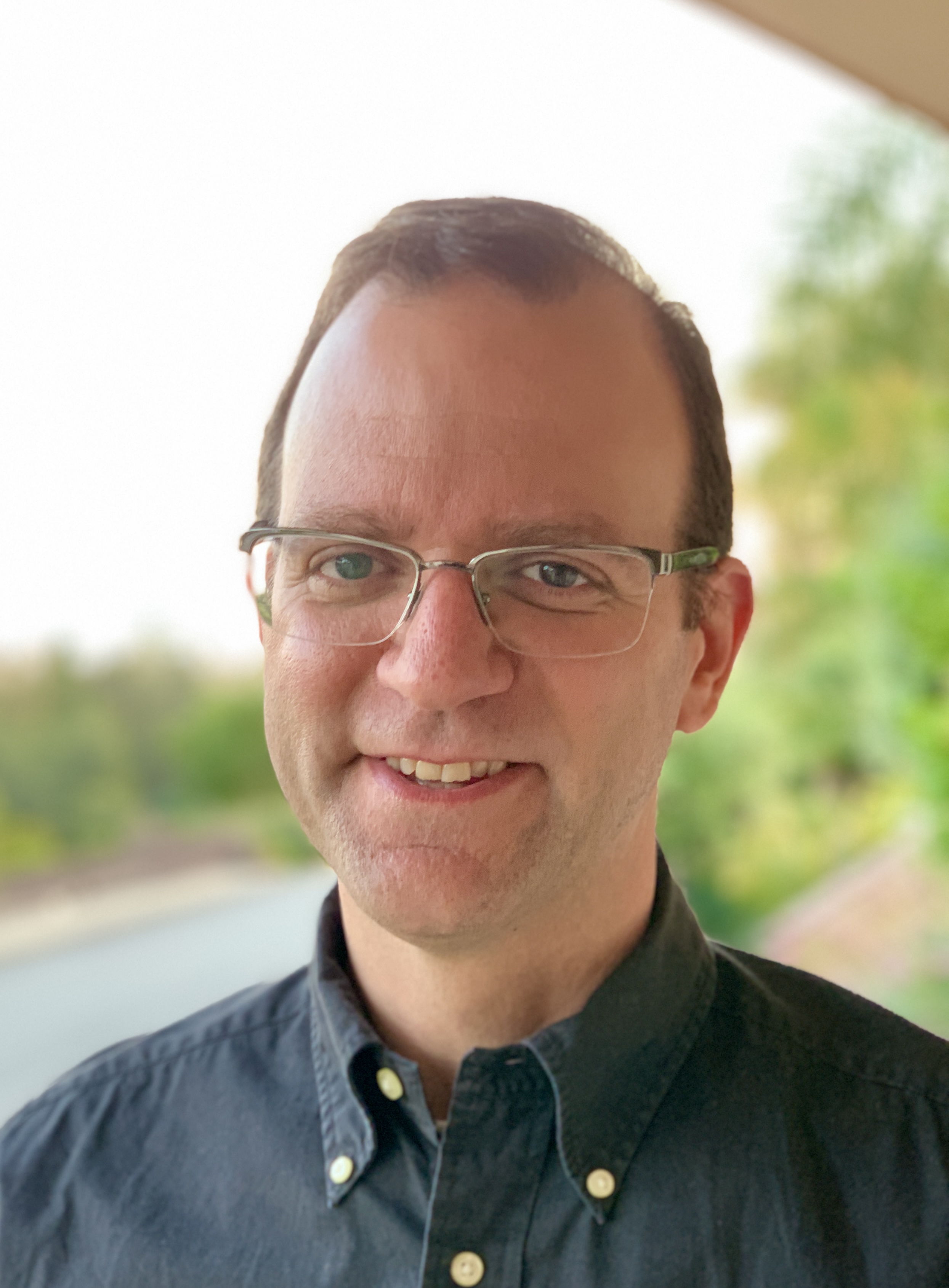 Anthony Danko, Naval Facilities Engineering and Expeditionary Warfare Center (anthony.danko@navy.mil)
Tony recently joined SERDP-ESTCP as the Environmental Restoration (ER) Program Manager. Prior to that, Tony had almost a decade of environmental restoration experience within the Naval Facilities Engineering Systems Command (NAVFAC) and provided technical support to various Remedial Project Managers (RPMs) on challenging sites with chlorinated solvents, petroleum hydrocarbons, 1,4-dioxane, and PFAS. In addition, he was also involved in the development and testing of innovative technologies for environmental remediation. Tony has a Ph.D. in Environmental Engineering and Science and is a licensed professional engineer.
Moderator:
 John Davis Reynolds Jr., U.S. EPA Office of Superfund and Emergency Management (OSEM) (Reynolds.John.D@epa.gov or 202-817-0409)
John (JR) Reynolds serves as a program analyst in EPA's Office of Superfund and Emergency Management (OSEM), within the Division of Response Readiness and Development, where he leads training integration for federal facilities, rapid response removal training, project-management knowledge transfer, and digital learning initiatives. He brings 34 years of U.S. Army service to the role, along with deep expertise in program and training management, crisis communications and planning, media and public engagement, and preparedness planning for Defense Support of Civil Authorities (DSCA) and Continuity of Operations (COOP). His professional background spans higher education, the nonprofit sector, and corporate environments. He holds degrees from Florida A&M University, the University of Toledo, the University of Missouri, and the University of Oklahoma, and completed additional graduate study at the University of Alabama.
- These materials will be available by Tuesday, December 15, 2026
Webinar Slides and References:
- These materials will be available by Tuesday, December 15, 2026
Additional Resources:
The feedback form for this webinar will be available starting on Tuesday, December 15, 2026.
Help & FAQs
- Frequently Asked Questions
- Content Questions?
Call John Reynolds at 202-817-0409 or Reynolds.John.D@epa.gov - Technical Problems?
Leave us a comment - Cancel Your Registration
- My Participation Records
- CEU Credits and PDHs
Zoom Resources
Before Webinar Day
This seminar will be delivered through Zoom. Participants are encouraged to update to the latest version of the Zoom application for the best experience.
If you are unable to install the Zoom application, most functions will be available if you join just using a modern web browser such as Chrome, Edge or Firefox. We strongly encourage you to run the Zoom Meeting Test prior to attending this webinar. Technical support on the day of the webinar will be very limited and subject to significant delays.
Backup Conference Call
If you cannot participate using online audio, you may join the optional call in line. After checking in for the live event using the instructions listed below, you will see several options to participate. Please click the links in option 4 to follow along by phone and obtain the call in number. If you cannot access the phone number, you may request the call in line from the event moderator in the Q&A or send an email to clu-in@epa.gov
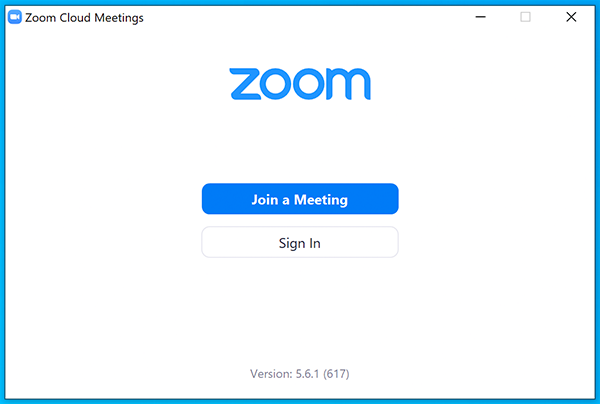
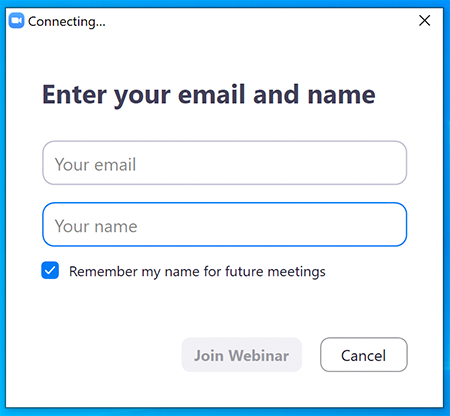
Click on "Join Webinar" at the top of this screen, enter your exact first and last name as you registered and enter the number of people attending at your location (including yourself). You should then be taken to the Zoom meeting room. Join with Zoom Application: For those joining with the Zoom application, you may be prompted to sign with a zoom account or join as a guest without signing in.
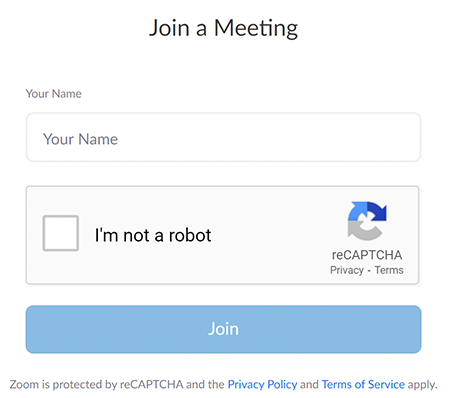
If joining as a guest, you will be prompted to enter your name and email address. Remember your name, image, video or voice may be visible to others in the live event. When done, click "Join" When it is time for the live event to start, the meeting host will admit you to the live Zoom meeting. Join via web browser (without the Zoom Application): For those joining with a web browser, you may close any pop ups prompting you to download the Zoom app. The next window will allow you to enter your name (first name and last name) and check the box that you are not a robot. Click the blue join button. You may also be asked to provide your email address before joining the room. Remember your name, image, video or voice may be visible to others in the live event. When done, click "Join" When it is time for the live event to start, the meeting host will admit you to the live Zoom meeting. You may need to periodically refresh the browser window to confirm if the host has admitted you. The presenters will control what slide you are viewing. You may submit questions online for the instructors to answer during the webinar by typing in the "Q&A" area. It is not necessary to wait until the question and answer periods to submit questions. At the end of the webinar you will be guided to our feedback form and links to additional resources, including the complete presentation. These links will remain active after the webinar. Provided for your convenience. Importing or accepting the invitation within this iCalendar file is not required, and declining the invitation does not cancel your registration. For additional information on iCalendar, please see our
iCalendar Help It is EPA's policy to make reasonable accommodation to persons with disabilities wishing to participate in the agency's programs and activities, pursuant to the Rehabilitation Act of 1973, 29 U.S.C. 791. Any request for accommodation should be made to John Reynolds at 202-817-0409 or Reynolds.John.D@epa.gov, preferably one week or more in advance of the webinar, so that EPA will have sufficient time to process the request. EPA would welcome specific recommendations from requestors specifying the nature or type of accommodation needed. EPA welcomes specific recommendations from requestors specifying the nature or type of accommodation needed. Please note that CLU-IN provides both alternate phone call-in options and closed captioning for all webinars, and requests for these specific accommodations are not necessary.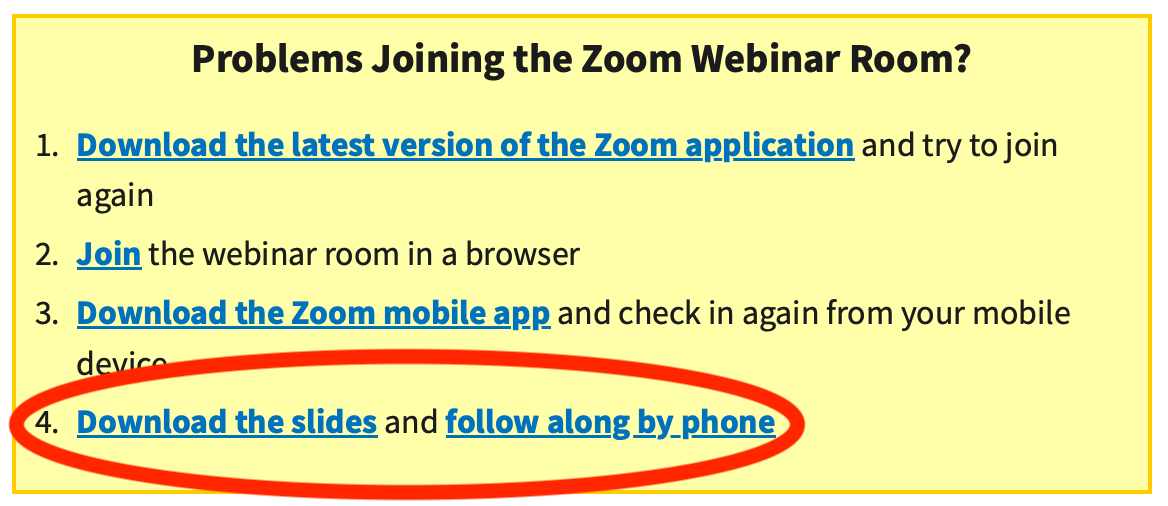
Webinar Day, Checking In
Moving Through Slides
Feedback & Links to Additional Resources
iCalendar File
Rehabilitation Act Notice for Reasonable Accommodation
Rehabilitation Act Notice for Reasonable Accommodation
It is EPA's policy to make reasonable accommodation to persons with disabilities wishing to participate in the agency's programs and activities, pursuant to the Rehabilitation Act of 1973, 29 U.S.C. 791. Any request for accommodation should be made to John Reynolds at 202-817-0409 or Reynolds.John.D@epa.gov, preferably one week or more in advance of the webinar, so that EPA will have sufficient time to process the request. EPA would welcome specific recommendations from requestors specifying the nature or type of accommodation needed. EPA welcomes specific recommendations from requestors specifying the nature or type of accommodation needed. Please note that CLU-IN provides both alternate phone call-in options and closed captioning for all webinars, and requests for these specific accommodations are not necessary.
Webinar Recording
By participating in this CLU-IN webinar, you automatically agree to authorize recording of audio and visual content presented during this live event and consent to subsequent use of this recording in the public domain by the U.S. Environmental Protection Agency. This recording may include questions, comments and poll responses provided by you during the live event in addition to your name, voice, image or likeness. This recording will be made available after the conclusion of the live event as part of the CLU-IN webinar archives, and will remain available indefinitely. If you do not wish to consent to the recording, please do not join the live event, and contact clu-in@epa.gov to discuss your concerns.
Content Disclaimer
This webinar is intended solely to provide information to the public. The views and opinions expressed as part of this webinar do not necessarily state or reflect those of the U.S. Environmental Protection Agency. It is not intended, nor can it be relied upon, to create any rights enforceable by any party in litigation with the United States, or to endorse the use of products or services provided by specific vendors. With respect to this webinar, neither the United States Government nor any of their employees, makes any warranty, express or implied, including the warranties of merchantability and fitness for a particular purpose, or assumes any legal liability or responsibility for the accuracy, completeness, or usefulness of any information, apparatus, product, or process disclosed, or represents that its use would not infringe privately owned rights.