










PFAS - Practical Approaches for PFAS Fate & Transport Evaluation Training
Sponsored by: Interstate Technology and Regulatory Council

This training will provide information on fate and transport of PFAS in the environment using a hypothetical AFFF release. It builds on the earlier topics covered in the PFAS 101 training. Resources and further details for the topics included in this training are available in the ITRC PFAS-1 guidance document.
Representative PFAS fate and transport pathways/processes will be illustrated, highlighting those that are unique to PFAS and different from other common contaminants. Available methods/approaches of field sampling, laboratory analysis, and data evaluation to characterize these fate and transport pathways/processes will be discussed. Data gaps due to limited available sampling/analysis and data evaluation methods will also be discussed.
The scenario of a hypothetical AFFF release site was chosen based on commonality with typical known environmental releases to present an illustrative framework for regulators and other environmental practitioners on the range of PFAS topics that may be applicable from discovery to closure. This training will be crafted for an audience with some basic understanding of PFAS and that has likely already attended the PFAS 101 training and the ITRC PFAS Beyond the Basics: Fate and Transport, Site Characterization, and Source ID training.
This training will be a site-based, application-oriented training that is built around a specific site narrative. We aim to connect the previous subject-oriented training courses to what practitioners need to think about at a site.
Learning Objectives:
- Understand the interrelationships between current ITRC PFAS knowledge topics in the context of a hypothetical scenario.
- Understand representative fate and transport processes at a typical AFFF release site; particular focus will be given to PFAS-specific considerations
- Understand currently available methods/approaches of field sampling, laboratory analysis, and data evaluation for PFAS site characterization, as well as limitations of these methods/approaches
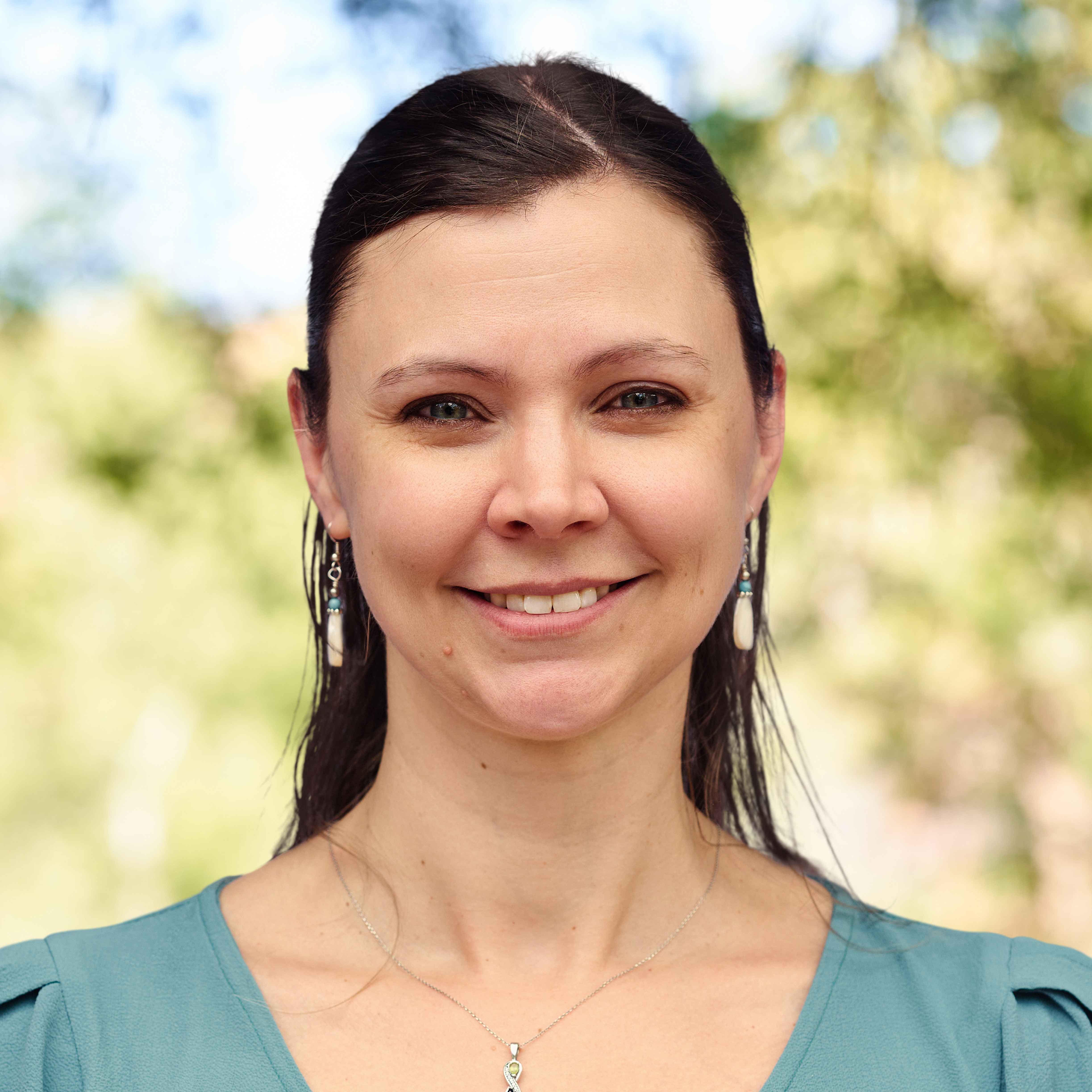 Sarah LaRoe, Ph.D., Anchor QEA
Sarah LaRoe, Ph.D., is a Managing Environmental Scientist at Anchor QEA, LLC in Saratoga Springs, NY. She specializes in chemical fate and transport in contaminated systems, remedial dredge design, and the evaluation of remedial outcomes. She has worked on multiple Superfund cleanup projects, including the Hudson River Dredging Project, the Grasse River Superfund site, and developed CSMs for many PFAS sites. She has been a contributing member of the ITRC PFAS Team since its inception in 2017, focusing on the development of material on the physical and chemical properties of PFAS. Dr. LaRoe received her doctorate from Rensselaer Polytechnic Institute in Environmental Engineering, focusing on microbial bioremediation of recalcitrant contaminants.
 Dina Drennan, BEM Systems
Dina Drennan, PhD is a senior environmental scientist and PFAS practice lead at BEM Systems in Lakewood, CO. She specializes in CSM development, remedial investigations, and fate and transport of PFAS particularly in the vadose zone. She has worked on several PFAS remedial investigations in the Western United States and has experience performing treatability studies at the bench scale to inform full scale design. She has been a contributing member of ITRC since 2022 focusing on fate and transport of PFAS. Dr. Drennan received her doctorate from Colorado School of Mines in Civil and Environmental Engineering focusing on passive treatment of mining influenced water.
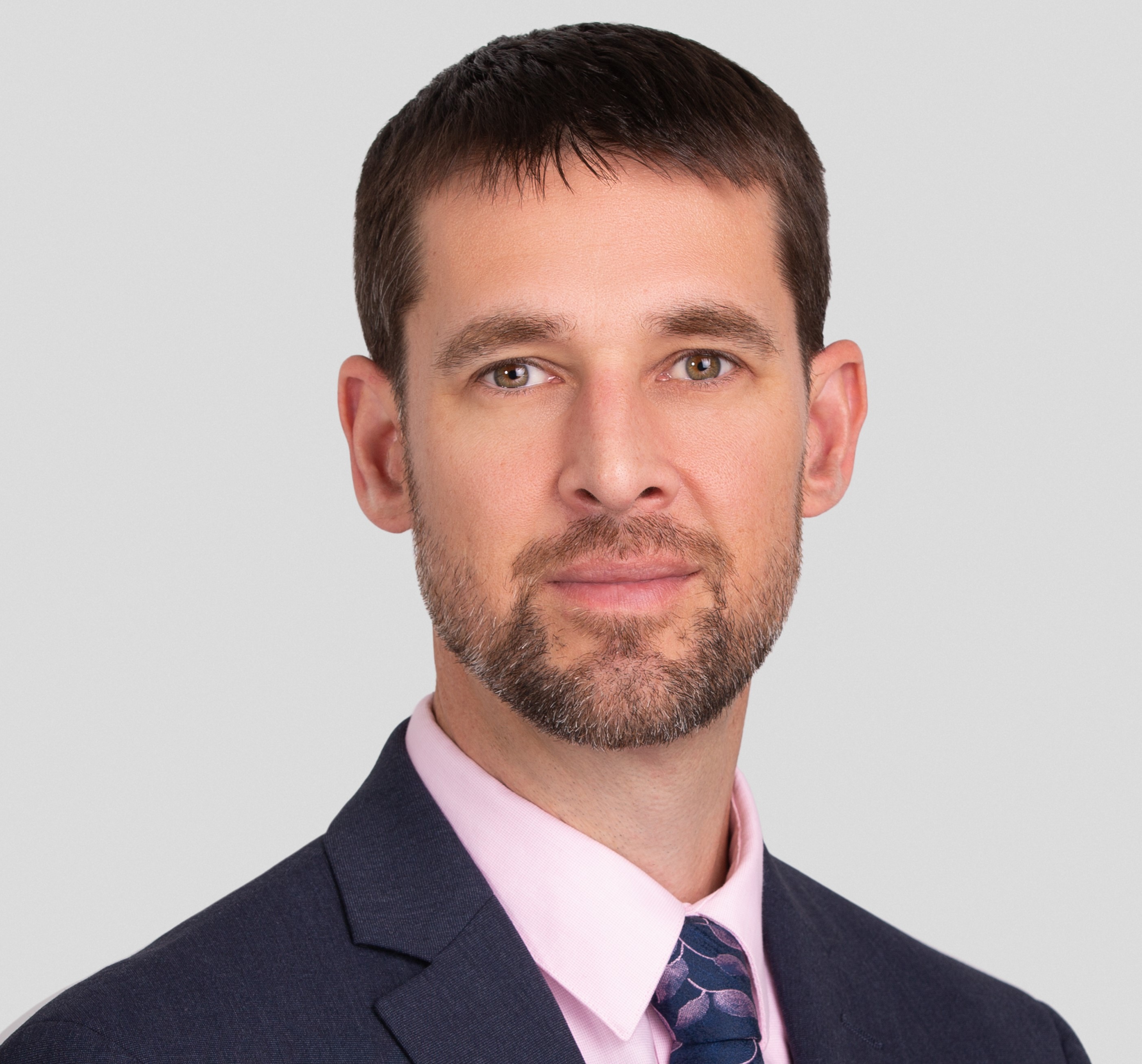 Matthew Machusick, PG, Leidos
Matthew Machusick is a professional geologist and water resources engineer with 25 years of experience across multiple aspects of environmental consulting and research. His specialties and areas of interest include: PFAS characterization and remediation, hydrogeology, CSM development, and contaminant fate and transport. Since 2015, he has conducted PFAS investigations at over 170 Federal facilities across 52 states and territories. Much of his recent PFAS efforts have focused on modeling the fate and transport of PFAS from the vadose zone to groundwater receptors.
 Alex MacDonald, Emeritus
Alex MacDonald is a former senior engineer in the technical support section of the Cleanup Unit at the Central Valley Regional Water Quality Control Board in Rancho Cordova, California. He worked at the Water Quality Control Board from 1984 - 2021. He primarily worked on cleanup of the Aerojet site in Rancho Cordova, California and on the cleanup at McClellan Air Force Base. Alex also worked on cleanup at underground and above ground storage tanks sites; permitting and inspection of landfill and waste disposal to land sites; regulating application of biosolids sites; regulating underground injection; regulating NPDES sites that include municipal wastewater treatment plants, power plants, industrial facilities, and groundwater treatment facilities; and permitting and inspecting dredging projects. Alex was a member of the Interstate Technical Regulatory Council (ITRCC) Perchlorate team, DNAPL and Fractured Rock Teams. He is currently a member of the ITRC PFAS, Microplastics and Risk Communication Teams. Alex earned a bachelor's degree in Civil/Environmental Engineering from Stanford University in Palo Alto, California in 1977 and a master's degree in Civil/Environmental Engineering from Sacramento State University in Sacramento, California in 1987. He is a registered Professional Engineer in the State of California.
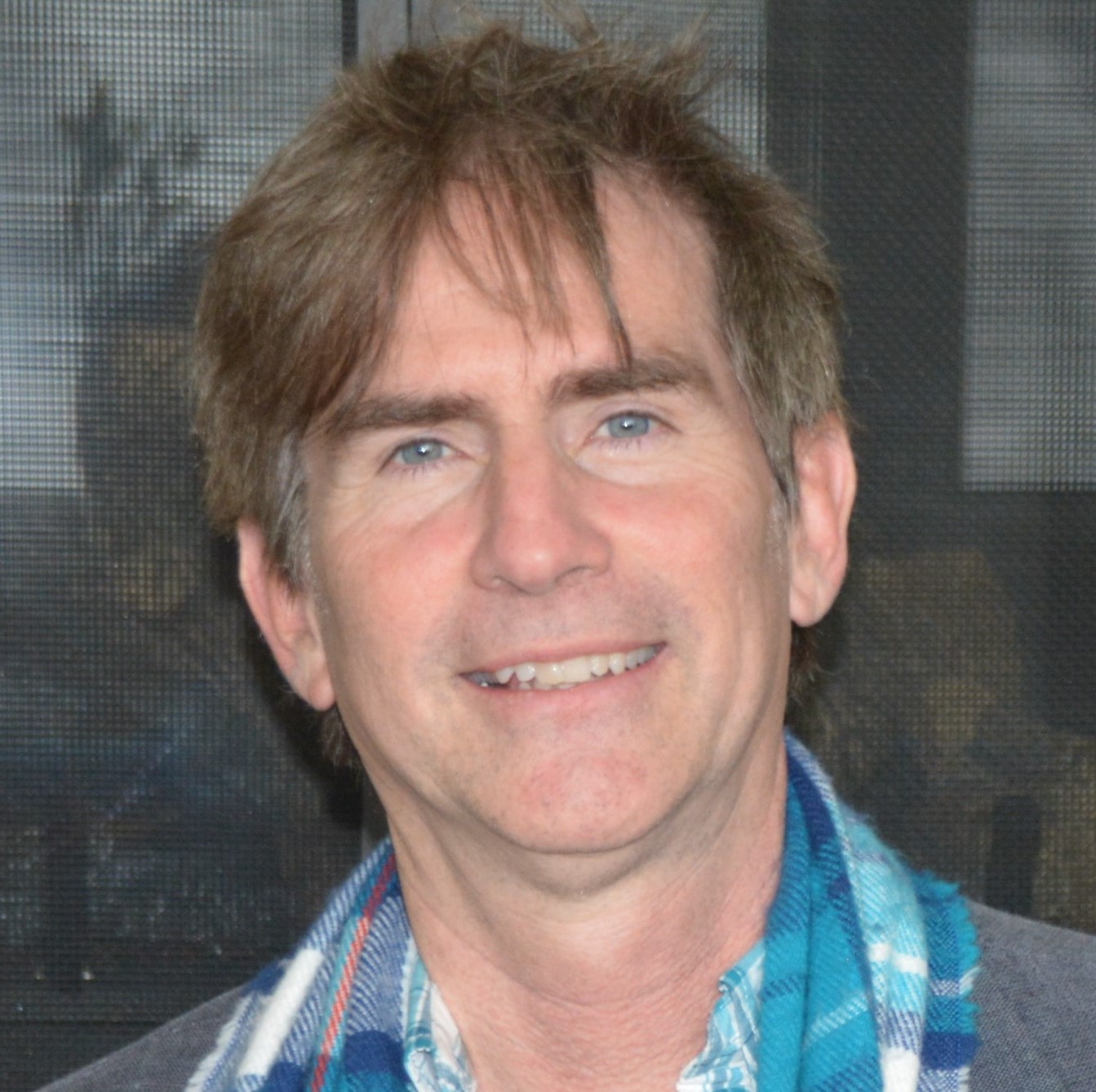 Ted Campbell, NC DEQ
Ted Campbell is an Environmental Program Consultant and Regional Hydrogeologist for the Department of Environmental Quality (DEQ). Ted Campbell played a key part in the largest coal ash cleanup in the nation. His work in testing complex groundwater modeling from Duke Energy helped lead to the State of North Carolina's historic settlement agreement with Duke to clean up coal ash basins in the state. Campbell is DEQ's lead expert on the calculation of background values of groundwater contaminants. He is also the Co-Lead investigator for a PFAS fate and transport study in a multi-county watershed with high profile impacts to surface and groundwater drinking supplies of over 200,000 residents. Mr. Campbell is also developing an updated conceptual model of PFAS sources and basin wide characteristics that influence transport in space and time.
Moderator:
ITRC Training Program (itrc@itrcweb.org)

Webinar Slides and References:
Additional Resources:
- These materials will be available by
Thank you for participating in our webinar. We would like to receive any feedback you might have that would make this service more valuable.
Help & FAQs
- Frequently Asked Questions
- Content Questions?
Call ITRC Training Program at 202-266-4932 or itrc@itrcweb.org - Technical Problems?
Leave us a comment - Cancel Your Registration
- My Participation Records
- CEU Credits and PDHs
Zoom Resources
Before Webinar Day
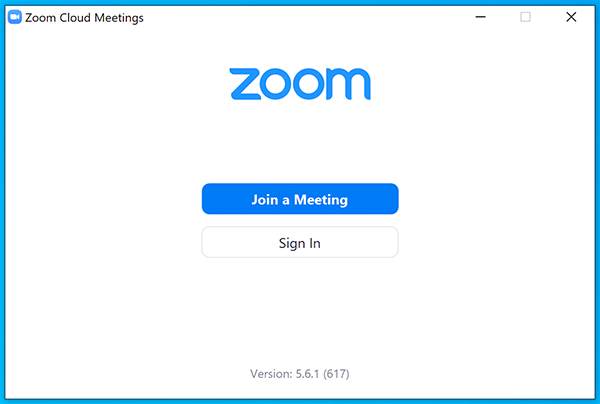
This seminar will be delivered through Zoom. Participants are encouraged to update to the latest version of the Zoom application for the best experience.
If you are unable to install the Zoom application, most functions will be available if you join just using a modern web browser such as Chrome, Edge or Firefox. We strongly encourage you to run the Zoom Meeting Test prior to attending this webinar. Technical support on the day of the webinar will be very limited and subject to significant delays.
Backup Conference Call
If you cannot participate using online audio, you may join the optional call in line. After checking in for the live event using the instructions listed below, you will see several options to participate. Please click the links in option 4 to follow along by phone and obtain the call in number. If you cannot access the phone number, you may request the call in line from the event moderator in the Q&A or send an email to clu-in@epa.gov
Click on "Join Webinar" at the top of this screen, enter your exact first and last name as you registered and enter the number of people attending at your location (including yourself). You should then be taken to the Zoom meeting room. Join with Zoom Application: For those joining with the Zoom application, you may be prompted to sign with a zoom account or join as a guest without signing in.
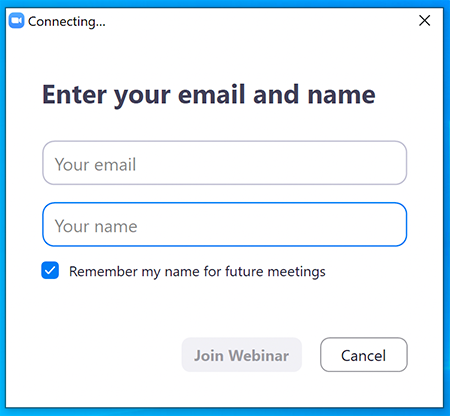
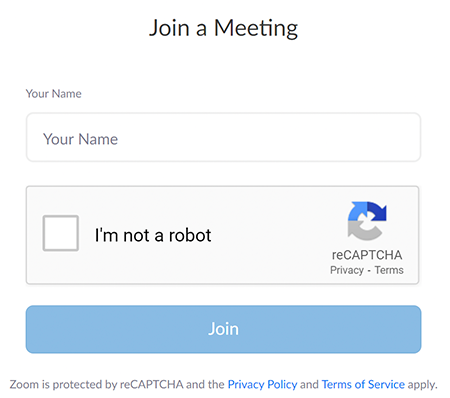
If joining as a guest, you will be prompted to enter your name and email address. Remember your name, image, video or voice may be visible to others in the live event. When done, click "Join" When it is time for the live event to start, the meeting host will admit you to the live Zoom meeting. Join via web browser (without the Zoom Application): For those joining with a web browser, you may close any pop ups prompting you to download the Zoom app. The next window will allow you to enter your name (first name and last name) and check the box that you are not a robot. Click the blue join button. You may also be asked to provide your email address before joining the room. Remember your name, image, video or voice may be visible to others in the live event. When done, click "Join" When it is time for the live event to start, the meeting host will admit you to the live Zoom meeting. You may need to periodically refresh the browser window to confirm if the host has admitted you. The presenters will control what slide you are viewing. You may submit questions online for the instructors to answer during the webinar by typing in the "Q&A" area. It is not necessary to wait until the question and answer periods to submit questions. At the end of the webinar you will be guided to our feedback form and links to additional resources, including the complete presentation. These links will remain active after the webinar. Provided for your convenience. Importing or accepting the invitation within this iCalendar file is not required, and declining the invitation does not cancel your registration. For additional information on iCalendar, please see our
iCalendar Help It is EPA's policy to make reasonable accommodation to persons with disabilities wishing to participate in the agency's programs and activities, pursuant to the Rehabilitation Act of 1973, 29 U.S.C. 791. Any request for accommodation should be made to at or , preferably one week or more in advance of the seminar, so that EPA will have sufficient time to process the request. EPA would welcome specific recommendations from requestors specifying the nature or type of accommodation needed. EPA welcomes specific recommendations from requestors specifying the nature or type of accommodation needed. Please note that CLU-IN provides both alternate phone call-in options and closed captioning for all webinars, and requests for these specific accommodations are not necessary.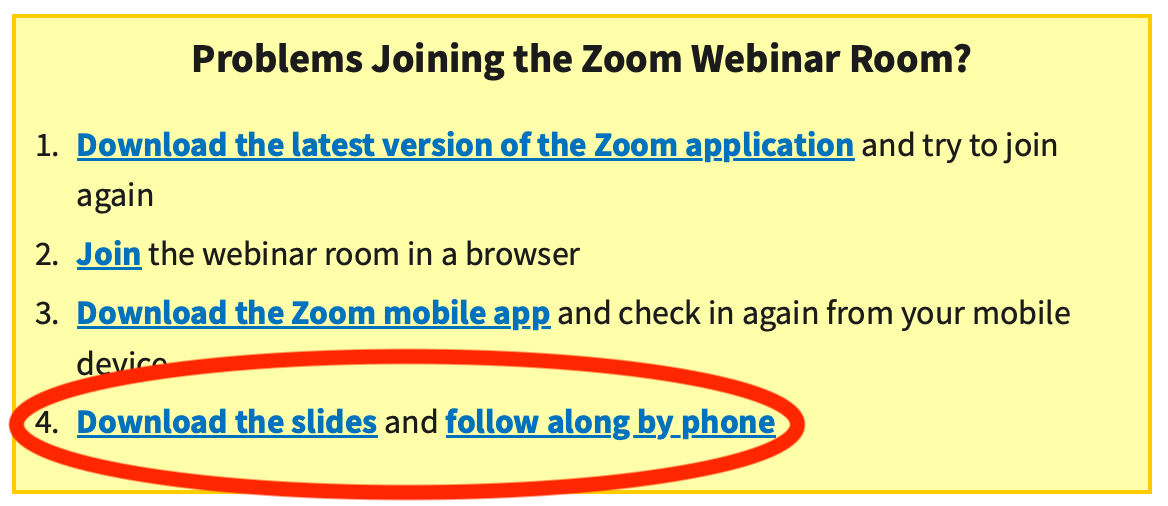
Webinar Day, Checking In
Moving Through Slides
Feedback & Links to Additional Resources
iCalendar File
Rehabilitation Act Notice for Reasonable Accommodation
Rehabilitation Act Notice for Reasonable Accommodation
It is EPA's policy to make reasonable accommodation to persons with disabilities wishing to participate in the agency's programs and activities, pursuant to the Rehabilitation Act of 1973, 29 U.S.C. 791. Any request for accommodation should be made to at or , preferably one week or more in advance of the webinar, so that EPA will have sufficient time to process the request. EPA would welcome specific recommendations from requestors specifying the nature or type of accommodation needed. EPA welcomes specific recommendations from requestors specifying the nature or type of accommodation needed. Please note that CLU-IN provides both alternate phone call-in options and closed captioning for all webinars, and requests for these specific accommodations are not necessary.
Webinar Recording
By participating in this CLU-IN webinar, you automatically agree to authorize recording of audio and visual content presented during this live event and consent to subsequent use of this recording in the public domain by the U.S. Environmental Protection Agency. This recording may include questions, comments and poll responses provided by you during the live event in addition to your name, voice, image or likeness. This recording will be made available after the conclusion of the live event as part of the CLU-IN webinar archives, and will remain available indefinitely. If you do not wish to consent to the recording, please do not join the live event, and contact clu-in@epa.gov to discuss your concerns.
Content Disclaimer
This webinar is intended solely to provide information to the public. The views and opinions expressed as part of this webinar do not necessarily state or reflect those of the U.S. Environmental Protection Agency. It is not intended, nor can it be relied upon, to create any rights enforceable by any party in litigation with the United States, or to endorse the use of products or services provided by specific vendors. With respect to this webinar, neither the United States Government nor any of their employees, makes any warranty, express or implied, including the warranties of merchantability and fitness for a particular purpose, or assumes any legal liability or responsibility for the accuracy, completeness, or usefulness of any information, apparatus, product, or process disclosed, or represents that its use would not infringe privately owned rights.