










PFAS Sorption Based Technologies for Separation & Concentration of PFAS from Water Training
Sponsored by: Interstate Technology and Regulatory Council

Removal of PFAS from water has become an important concern for water utilities; landfill operators; industry professionals; and state, local, and tribal decision makers. Sorption-based technologies, specifically granular activated carbon, ion exchange resins, and foam fractionation have proven to be effective solutions in this area, but choosing the most suitable sorption-based method or system configuration can be daunting. To aid treatment practitioners, the ITRC PFAS team published a technical guidance document titled "Sorption-based Technologies for Separation and Concentration of PFAS from Water" (Section 18 of PFAS-1). This training module is intended to assist in using the information presented in this document by providing an overview of the central topics along with easily digestible summaries of critical information.
This training will be crafted for an audience with some basic understanding of PFAS and that has likely already attended the PFAS 101 training and the ITRC PFAS Beyond the Basics: Fate and Transport, Site Characterization, and Source ID training.
Resources and further details for the topics included in this training are available in the ITRC PFAS-1 guidance document, specifically in Sections 12 and 18.
Learning objectives:
- Review operating principles of sorption-based technologies.
- Understand how site conditions and treatment objectives influence technology selection.
- Become familiar with testing methods (from foamability tests to isotherm tests to full-scale demonstration tests) used to verify treatment effectiveness, optimize performance, and compare technologies.
- Identify water quality parameters that may adversely affect sorption-based technologies and the available pretreatment methods to address them
- Learn how test data can be combined with cost and sustainability information to select a specific technology or system configuration.
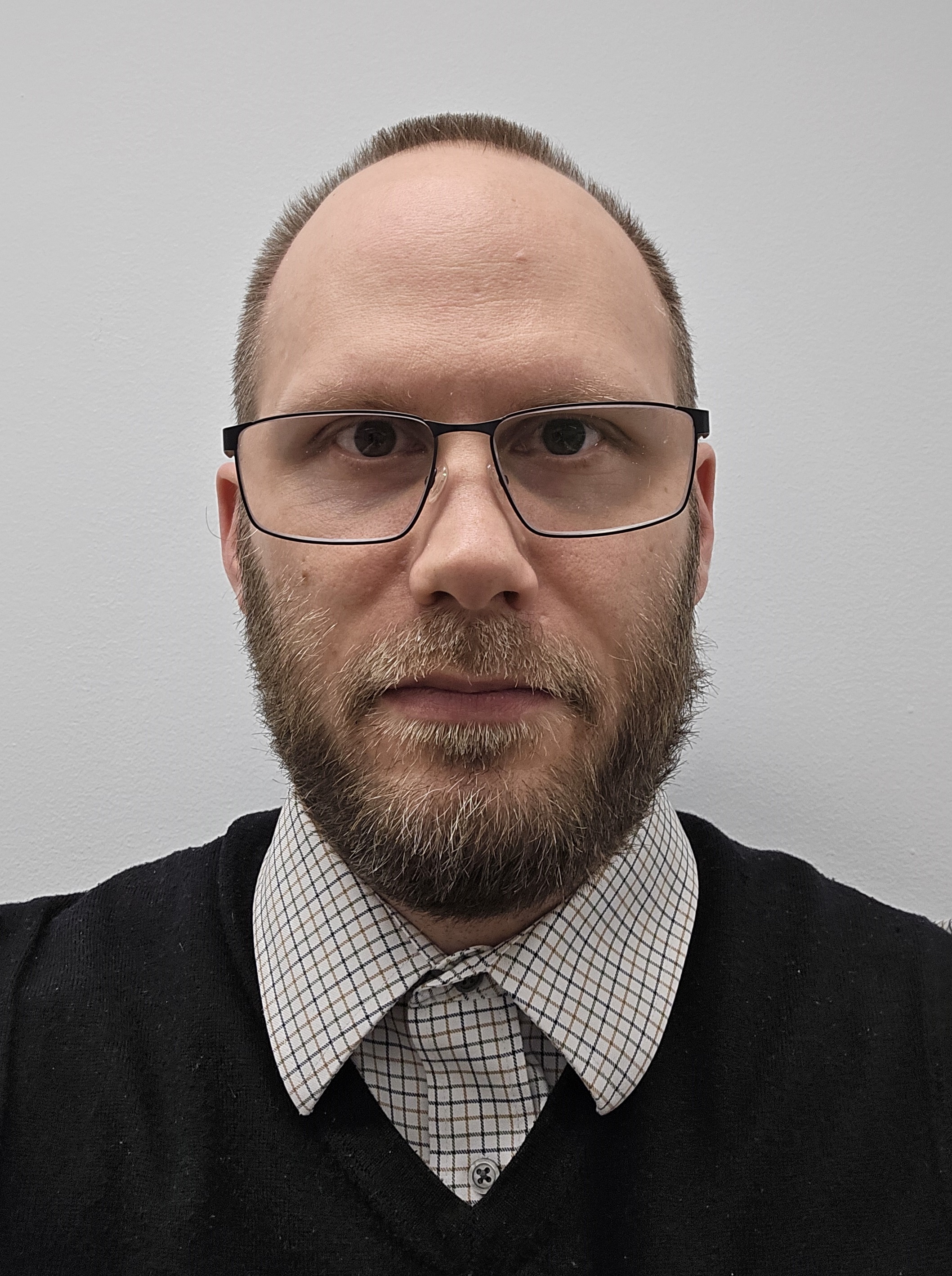 Levi Haupert, Ph.D., United States Environmental Protection Agency
Levi Haupert is a physical scientist working in the US EPA’s Office of Water. Levi has over 10 years of experience in drinking water treatment and decontamination of drinking water systems. His current scientific interests include wildfire-associated contamination of drinking water, transport of contaminants in polymers, and drinking water treatment using activated carbon and ion exchange resins with a focus on PFAS removal. He earned his Ph.D. in Chemistry from Purdue University.
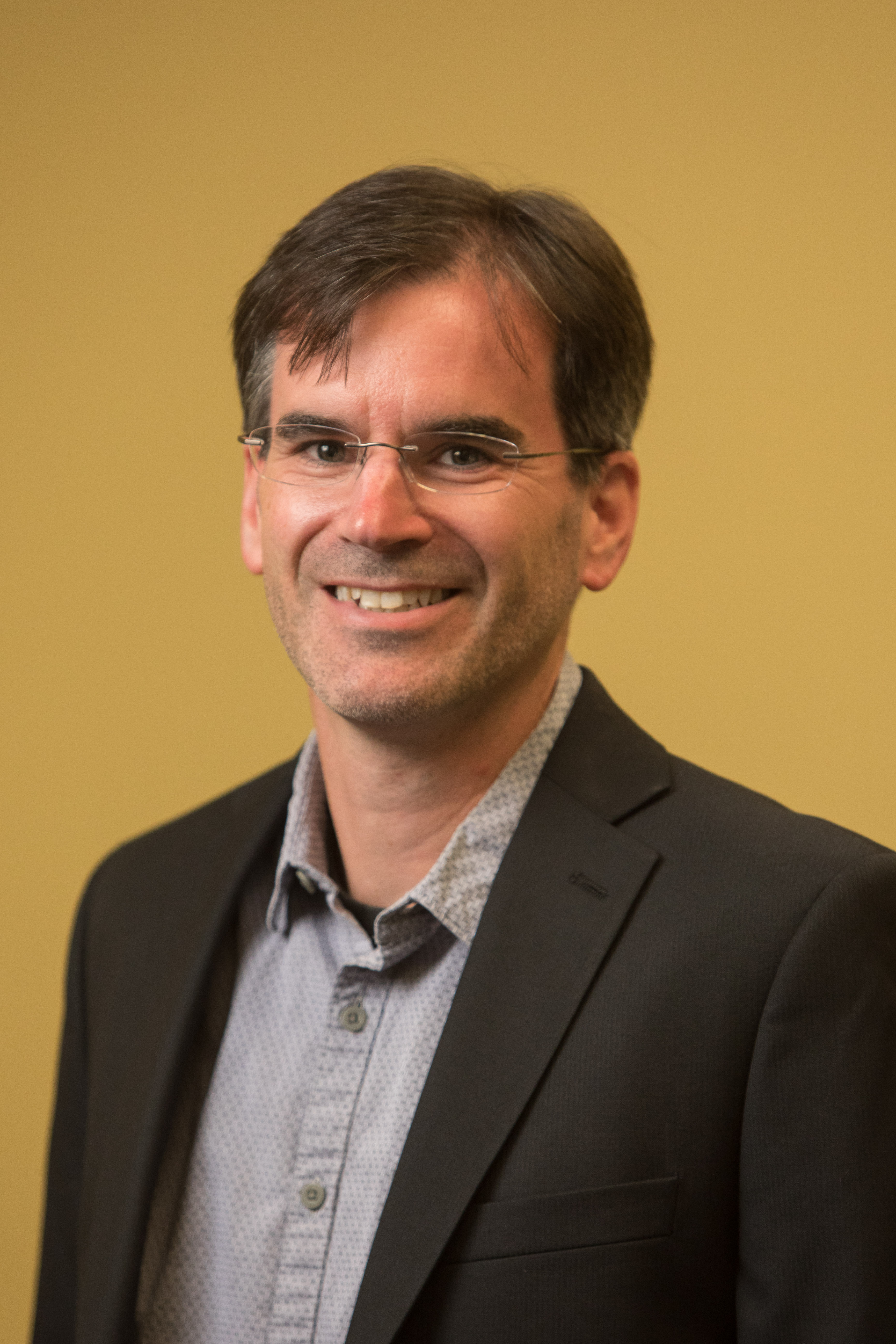 Rich Evans, GES
Rich Evans is senior vice president of engineering/technical functions and provides senior technical support and manages GES’ corporate technical functions team that includes engineering, hydrogeology, air quality, small unmanned aircraft systems, and data management and visualization. He also leads GES’ Quality Program, Construction and Remediation Initiative, and Emerging Contaminants team and is a member of GES’ corporate environmental, social, and governance (ESG) team.
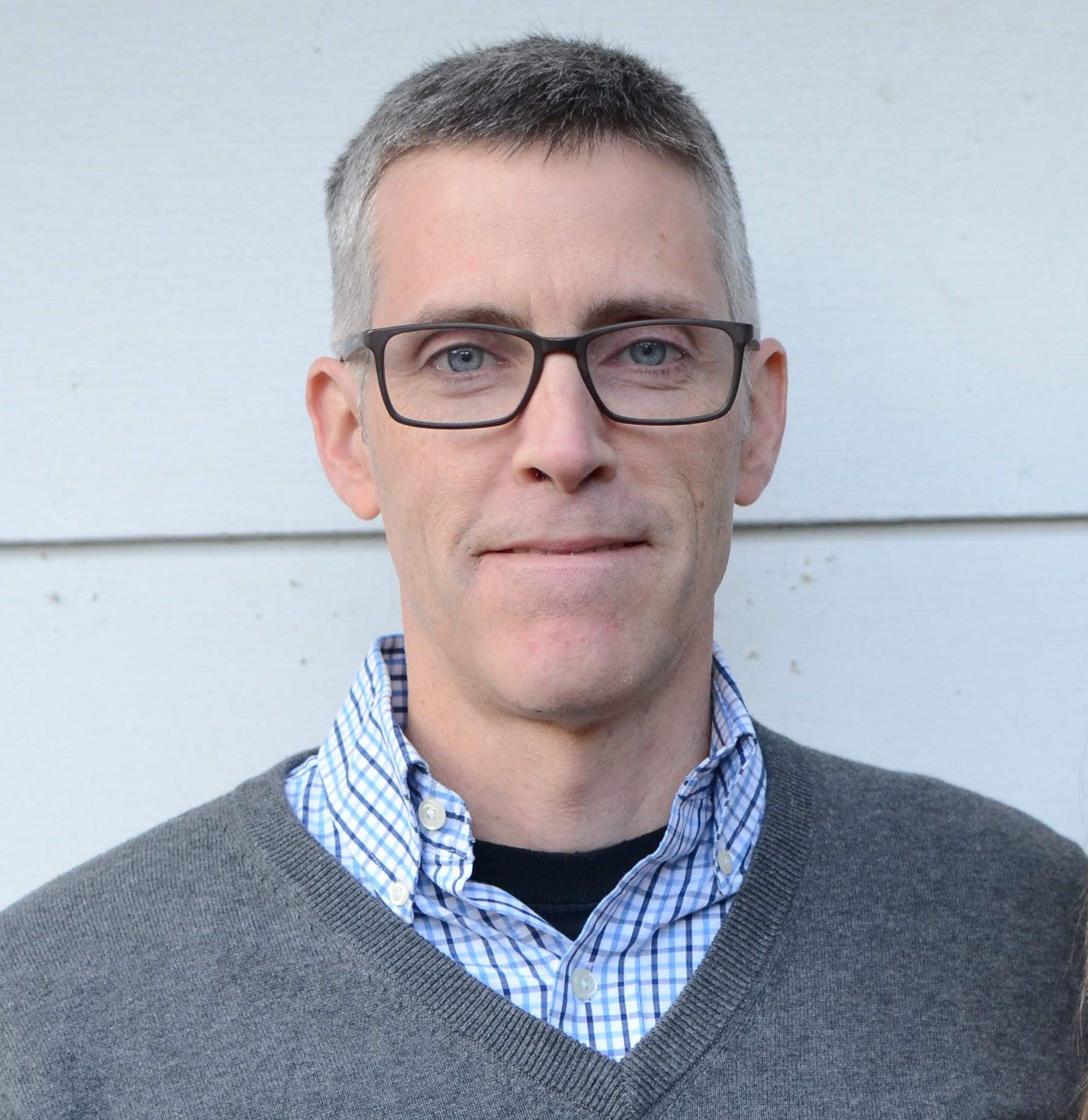 Andy Harris, P.E., Calgon Carbon Corporation
Andy Harris is a Senior Applications Engineer with Calgon Carbon Corporation and is a licensed Professional Engineer in the State of Wisconsin with 28 years of experience in the environmental industry. He is responsible for assisting consultants and end users with the evaluation and selection of activated carbon products for various applications. Throughout his career, Mr. Harris has gained technical expertise in the areas of soil and groundwater remediation and water and wastewater treatment system design. He has conducted and overseen a multitude of bench- and pilot-scale evaluations for various treatment technologies for both municipal and industrial water treatment applications. Mr. Harris is a contributing member of the ITRC PFAS team and graduated from the University of Wisconsin-Madison with a B.S. in Mechanical Engineering and a M.S. in Environmental Engineering.
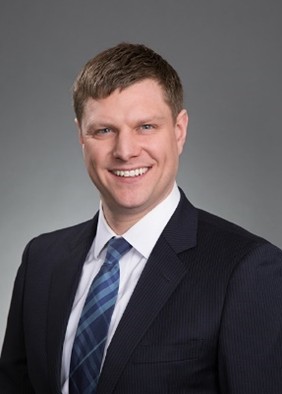 Jason Hnatko, Allonnia
Jason Hnatko is the Engineer Manager for Emerging Contaminants at Allonnia whose mission is to solve the world's toughest environmental challenges. Jason leads the SAFF team tasked with implementing foam fractionation to remove PFAS from aqueous matrices. At Allonnia he has led numerous foam fractionation bench tests, nine field pilot tests, and three permanent SAFF installations. Jason holds a PhD and MS in Civil & Environmental Engineering from Tufts University and a BS in Biological and Environmental Engineering from Cornell University. He is a registered Professional Engineer and has more than 15 years of environmental consulting and research experience, primarily in the investigation and remediation of PFAS and bioremediation of chlorinated solvents. His research focused on chlorinated ethene biodegradation and microbiology, including the impact of PFAS on dechlorinating microorganisms. He has previously served as a technical expert for the investigation and remediation of PFAS contamination at numerous sites.
 Mahsa Shayan, PhD, PE, P.Eng., Geosyntec
Dr. Mahsa Shayan is a Principal at Geosyntec Consultants and a PFAS subject matter expert specializing in fate and transport evaluations, site investigation, and treatment selection and optimization. With more than 18 years of combined academic and consulting experience, she has a broad understanding of soil and groundwater treatment technologies, as well as the technologies focused on separation, concentration, and treatment of PFAS in drinking water and industrial wastewater. Dr. Shayan’s work bridges pilot- and field‑scale system evaluation, laboratory treatability testing, and numerical modeling, enabling her to guide clients through the full technology selection process from preliminary screening and pilot testing to lifecycle cost assessment and sustainability evaluation. She has supported federal, state, and industrial clients in selecting treatment approaches that integrate performance metrics, O&M requirements, waste/residuals management, and site‑specific constraints. Her experience includes leading PFAS response actions, supporting drinking water mitigation programs, and developing decision documents. Dr. Shayan is an active contributor to the ITRC PFAS Team and the SAME Environmental Community of Interest (COI) and PFAS Industry-Government Engagement initiative, regularly presenting on PFAS fate and transport, regulations, technology evaluations, and PFAS data interpretation. Her project leadership spans major federal programs (AFCEC, NAVFAC, USACE), as well as industrial and municipal clients. She holds professional engineering licenses in both the U.S. and Canada and is recognized as an International Professional Engineer (IntPE). Her work has been published in conferences and prestigious journals, and she has served as a reviewer and technical committee member for several national remediation conferences, including Battelle, RemTEC, JETC, and AEHS.
 Dora Chiang, Ph.D., P.E., Jacobs
Dr. Dora Chiang is Global Principal for PFAS and emerging contaminants at Jacobs. She has 25 years of consulting experience and has multiple global practice leader and technical director roles throughout her career to develop and manage company’s internal PFAS programs for PFAS resource building and training. Since 2012 she has collaborated with universities and clients to investigate the nature and extent of PFAS, develop and demonstrate innovative solutions that monitor, manage, separate, concentrate, and destroy PFAS. Dora is invited speaker at national and international conferences, author of peer-reviewed journal articles and an editor of “Per- and Polyfluoroalkyl Substances Treatment Technologies” book published by the Royal Society of Chemistry, principal investigator (PI) of multiple US DOD funded PFAS technology development projects, and the trainer of Interstate Technology & Regulatory Council (ITRC) PFAS team.
Moderator:
ITRC Training Program (itrc@itrcweb.org)

Webinar Slides and References:
Additional Resources:
- These materials will be available by
Thank you for participating in our webinar. We would like to receive any feedback you might have that would make this service more valuable.
Help & FAQs
- Frequently Asked Questions
- Content Questions?
Call ITRC Training Program at 202-266-4932 or itrc@itrcweb.org - Technical Problems?
Leave us a comment - Cancel Your Registration
- My Participation Records
- CEU Credits and PDHs
Zoom Resources
Before Webinar Day
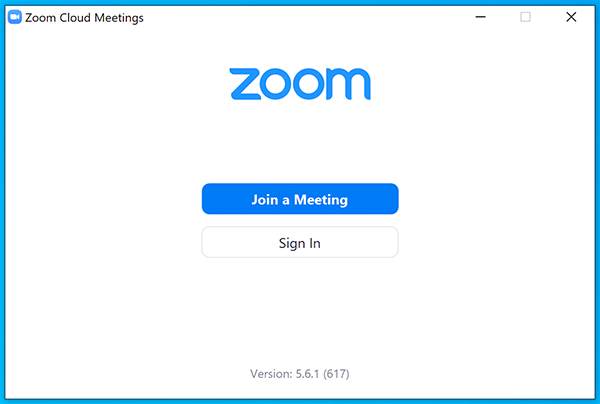
This seminar will be delivered through Zoom. Participants are encouraged to update to the latest version of the Zoom application for the best experience.
If you are unable to install the Zoom application, most functions will be available if you join just using a modern web browser such as Chrome, Edge or Firefox. We strongly encourage you to run the Zoom Meeting Test prior to attending this webinar. Technical support on the day of the webinar will be very limited and subject to significant delays.
Backup Conference Call
If you cannot participate using online audio, you may join the optional call in line. After checking in for the live event using the instructions listed below, you will see several options to participate. Please click the links in option 4 to follow along by phone and obtain the call in number. If you cannot access the phone number, you may request the call in line from the event moderator in the Q&A or send an email to clu-in@epa.gov
Click on "Join Webinar" at the top of this screen, enter your exact first and last name as you registered and enter the number of people attending at your location (including yourself). You should then be taken to the Zoom meeting room. Join with Zoom Application: For those joining with the Zoom application, you may be prompted to sign with a zoom account or join as a guest without signing in.
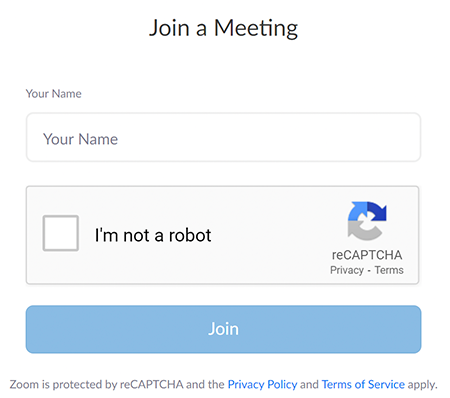
If joining as a guest, you will be prompted to enter your name and email address. Remember your name, image, video or voice may be visible to others in the live event. When done, click "Join" When it is time for the live event to start, the meeting host will admit you to the live Zoom meeting. Join via web browser (without the Zoom Application): For those joining with a web browser, you may close any pop ups prompting you to download the Zoom app. The next window will allow you to enter your name (first name and last name) and check the box that you are not a robot. Click the blue join button. You may also be asked to provide your email address before joining the room. Remember your name, image, video or voice may be visible to others in the live event. When done, click "Join" When it is time for the live event to start, the meeting host will admit you to the live Zoom meeting. You may need to periodically refresh the browser window to confirm if the host has admitted you. The presenters will control what slide you are viewing. You may submit questions online for the instructors to answer during the webinar by typing in the "Q&A" area. It is not necessary to wait until the question and answer periods to submit questions. At the end of the webinar you will be guided to our feedback form and links to additional resources, including the complete presentation. These links will remain active after the webinar. Provided for your convenience. Importing or accepting the invitation within this iCalendar file is not required, and declining the invitation does not cancel your registration. For additional information on iCalendar, please see our
iCalendar Help It is EPA's policy to make reasonable accommodation to persons with disabilities wishing to participate in the agency's programs and activities, pursuant to the Rehabilitation Act of 1973, 29 U.S.C. 791. Any request for accommodation should be made to at or , preferably one week or more in advance of the seminar, so that EPA will have sufficient time to process the request. EPA would welcome specific recommendations from requestors specifying the nature or type of accommodation needed. EPA welcomes specific recommendations from requestors specifying the nature or type of accommodation needed. Please note that CLU-IN provides both alternate phone call-in options and closed captioning for all webinars, and requests for these specific accommodations are not necessary.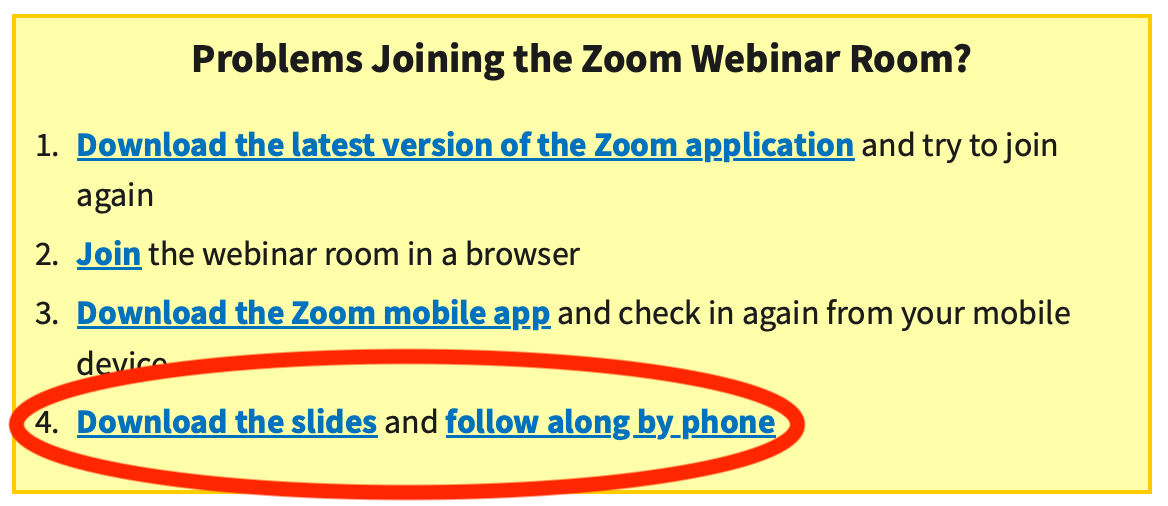
Webinar Day, Checking In

Moving Through Slides
Feedback & Links to Additional Resources
iCalendar File
Rehabilitation Act Notice for Reasonable Accommodation
Rehabilitation Act Notice for Reasonable Accommodation
It is EPA's policy to make reasonable accommodation to persons with disabilities wishing to participate in the agency's programs and activities, pursuant to the Rehabilitation Act of 1973, 29 U.S.C. 791. Any request for accommodation should be made to at or , preferably one week or more in advance of the webinar, so that EPA will have sufficient time to process the request. EPA would welcome specific recommendations from requestors specifying the nature or type of accommodation needed. EPA welcomes specific recommendations from requestors specifying the nature or type of accommodation needed. Please note that CLU-IN provides both alternate phone call-in options and closed captioning for all webinars, and requests for these specific accommodations are not necessary.
Webinar Recording
By participating in this CLU-IN webinar, you automatically agree to authorize recording of audio and visual content presented during this live event and consent to subsequent use of this recording in the public domain by the U.S. Environmental Protection Agency. This recording may include questions, comments and poll responses provided by you during the live event in addition to your name, voice, image or likeness. This recording will be made available after the conclusion of the live event as part of the CLU-IN webinar archives, and will remain available indefinitely. If you do not wish to consent to the recording, please do not join the live event, and contact clu-in@epa.gov to discuss your concerns.
Content Disclaimer
This webinar is intended solely to provide information to the public. The views and opinions expressed as part of this webinar do not necessarily state or reflect those of the U.S. Environmental Protection Agency. It is not intended, nor can it be relied upon, to create any rights enforceable by any party in litigation with the United States, or to endorse the use of products or services provided by specific vendors. With respect to this webinar, neither the United States Government nor any of their employees, makes any warranty, express or implied, including the warranties of merchantability and fitness for a particular purpose, or assumes any legal liability or responsibility for the accuracy, completeness, or usefulness of any information, apparatus, product, or process disclosed, or represents that its use would not infringe privately owned rights.