











SRP Progress in Research Summer 2026 Webinar Series: Session I
Sponsored by: The NIEHS Superfund Research Program (SRP)

This Progress in Research webinar series, hosted by the National Institute of Environmental Health Sciences (NIEHS) Superfund Research Program (SRP), showcases research from 6 schools funded by SRP in 2025. These awards were made as part of the P42 grant solicitation RFA-ES-20-014. In the two-part series, awardees will highlight their research projects, accomplishments, and next steps. The newly funded centers, including Oregon State University, University of North Carolina-Chapel Hill, and University of Southern California, are bringing fresh ideas and approaches to tackle complex problems related to hazardous substances.
The Oregon State University (OSU) SRP Center is driven to identify polycyclic aromatic hydrocarbons (PAHs) in the environment, to characterize their toxicity, and to specify the environmental concentrations at which they pose no threat to human health. The OSU SRP Center studies the composition of complex PAH mixtures, the changes in composition after remediation and natural attenuation, and the implications of PAH mixtures for human health.
The University of North Carolina (UNC)-Chapel Hill SRP Center addresses serious public health challenges faced by communities in North Carolina and across the nation related to inorganic arsenic (iAs). The UNC-Chapel Hill SRP Center is working to identify these factors that would facilitate the development of novel solutions/interventions to reduce the prevalence of iAs-associated diabetes, as well as other diseases associated with iAs exposure.
The University of Southern California (USC) SRP Center works to develop problem-based, solution-oriented scientific knowledge and innovative technologies to address the issue of poly- and perfluoroalkyl substances (PFAS) water contamination in Superfund and other sites. The USC SRP Center has the goal of specifically addressing PFAS in relation to their effects on liver disease and addressing urgent concerns regarding water quality and human health in populations affected by PFAS exposures and Superfund sites.
To learn about and register for the other session in this webinar series, please see the SRP website.
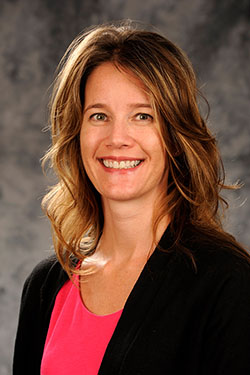 Michelle Heacock, Ph.D., National Institute of Environmental Health Sciences (heacockm@niehs.nih.gov)
Michelle Heacock, Ph.D., is currently serving as the acting branch chief of the Hazardous Substances Research Branch, and is a health science administrator where she oversees Superfund Research Program (SRP) grants that span basic molecular mechanisms of biological responses from exposures to hazardous substances, movement of hazardous substances through environmental media, detection technologies, and remediation approaches. Dr. Heacock received her doctorate from Texas A&M University for her work on the interplay between DNA repair proteins and telomeres. Her postdoctoral work was conducted at NIEHS where she studied the DNA repair pathway, base excision repair. She has been with the NIEHS since 2007.
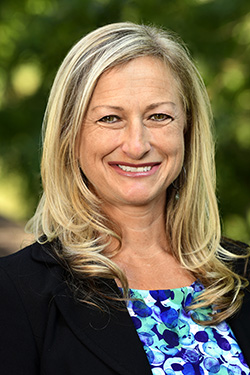 Heather Henry, Ph.D., National Institute of Environmental Health Sciences (henryh@niehs.nih.gov)
Heather Henry, Ph.D., is a health scientist administrator for National Institute of Environmental Health Sciences (NIEHS) where she oversees Superfund Research Program (SRP) grants that span human health toxicology, risk assessment, detection technologies and remediation approaches. She provides guidance to potential applicants for SRP’s Multi-Project Center Grants (P42s), Individual Research Grants (R01s), and Small Business / Technology Transfer Grants (R41-44; SBIR/STTR). She serves on several working groups including: Federal Remediation Technology Roundtable; Federal PFAS Strategy Team; National Nanotechnology Initiative Water Sustainability Team; NIEHS Microbiome; NIEHS Emerging Contaminants; and NIH Disaster Research Response. She has been with NIEHS since 2006. Prior to that, Heather studied bioremediation as part of her doctoral work at the University of Cincinnati and as a Fulbright Postdoctoral Fellow at the University of Melbourne and University of Adelaide in Australia.
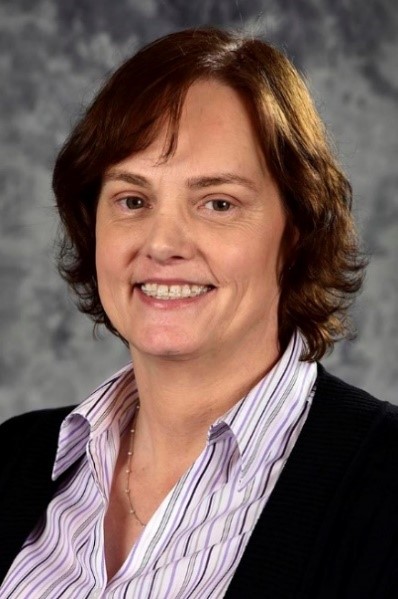 Robyn L. Tanguay, Ph.D., Oregon State University (Robyn.Tanguay@oregonstate.edu or 541-737-6514)
Robyn Leigh Tanguay (Formerly Robert Leonard Tanguay) is a Distinguished Professor in the Department of Environmental and Molecular Toxicology, the Director of the Oregon State University Superfund Research Program, Director of the Sinnhuber Aquatic Research Laboratory, and the Director of an Environmental Health Sciences Center. She received her BA in Biology from California State University-San Bernardino, her PhD in Biochemistry from the University of California-Riverside, and postdoctoral training in Developmental Toxicology from the University of Wisconsin-Madison. She serves on a number of academic, commercial, and federal advisory boards and is on the editorial board for several scientific journals. Over the past several years she has pioneered the use of zebrafish as a toxicology model and recently developed automated high throughput instrumentation to accelerate phenotype discovery in zebrafish. A major focus is on identifying chemicals and mixtures that produce neurotoxicity. Phenotypic anchoring coupled with the inherent molecular and genetic advantages of zebrafish is used to define the mechanisms by which chemicals, drugs, and nanoparticles interact with and adversely affect vertebrate development and function.
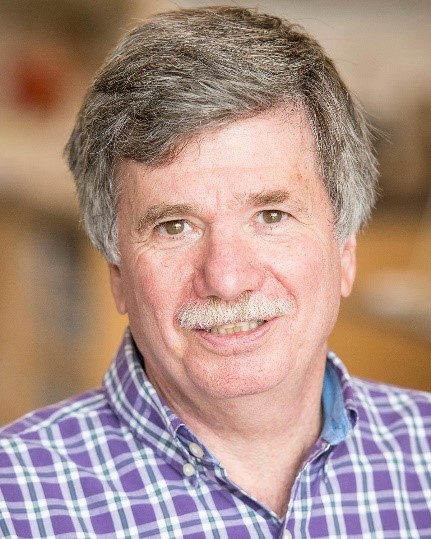 Lewis Semprini, Ph.D., Oregon State University (lewis.semprini@oregonstate.edu)
Lewis Semprini is a University Distinguished Professor of Environmental Engineering at Oregon State University. He studies microbial processes for the bioremediation of legacy and emerging contaminants. He specializes in laboratory, field, and modeling studies of both aerobic and anaerobic processes for treating chlorinated solvents, polycyclic aromatic hydrocarbons, and emerging contaminants, such as 1,4-dioxane and alkylated PAHs in groundwater and contaminated sediments. His laboratory research focuses on kinetics tests with pure bacteria cultures and column treatability studies to evaluate bioremediation processes that are to be employed in the field. Recently his research has focused on the encapsulation of bacterial cultures in hydrogel beads to create more long-term and sustainable treatment systems. His efforts over the past 35 years have aimed at integrating the results of field, laboratory, and modeling studies to effectively apply bioremediation technologies for the cleanup of contaminated sites.
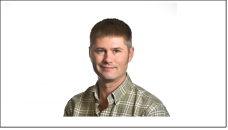 Jordan Ned Smith, Ph.D., Pacific Northwest National Laboratory (jordan.smith@pnnl.gov)
Jordan Ned Smith serves as a Biomedical Scientist, Team Lead for the Integrated Health Science Team at the Pacific Northwest National Laboratory (PNNL) and holds a Joint Appointment at Department of Environmental and Molecular Toxicology at Oregon State University. He studies the biological fate of chemicals and the implications of chemical exposures on human health. He applies advanced molecular tools, cell based models, in vivo systems, and computational approaches to investigate how absorption, distribution, metabolism, and excretion (ADME) processes shape internal dosimetry and influence toxicity. This combined experimental and computational framework is used to elucidate metabolism, pharmacokinetics, and toxicological mechanisms across diverse chemical classes, including pesticides, polycyclic aromatic hydrocarbons (PAHs), nanoparticles, organic esters, nicotine, explosives, and other environmental and industrial compounds.
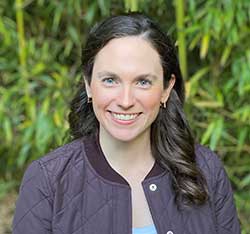 Julia E. Rager, Ph.D., University of North Carolina-Chapel Hill (jrager@unc.edu)
Dr. Rager is an Associate Professor and Associate Chair for Strategic Initiatives in the Department of Environmental Sciences and Engineering at the University of North Carolina (UNC) at Chapel Hill. Dr. Rager leads research that combines wet-and-dry lab methods to evaluate environmental exposures and their impact on public health. Dr. Rager’s unique research approach couples in silico modeling with exposure science and molecular toxicology methods to improve chemical-disease linkages and more efficiently screen for chemical mixtures including wildfire smoke and PFAS mixtures. Dr. Rager is Co-Lead of the UNC-SRP Data Management and Analysis Core where she leads initiatives to train the next generation of environmental health researchers on current data science practices and computational methods.
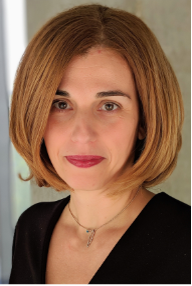 Vaia Lida Chatzi, MD, Ph.D., University of Southern California (chatzi@usc.edu)
Lida Chatzi, MD, PhD, is a physician, environmental epidemiologist, and Professor of Population and Public Health Sciences at the University of Southern California. She has over 25 years of experience leading multidisciplinary, translational research that integrates population studies with experimental models to understand how environmental chemical exposures impact human health across the life course. Her work focuses on endocrine-disrupting chemicals, including PFAS, and their roles in metabolic diseases, liver disease, and cancer. Dr. Chatzi serves as Director of the USC Center for Translational Exposomics Research (USC-CTER), Director of the NIEHS-funded ShARP Superfund Research Program, and Deputy Director of the Southern California Environmental Health Sciences Center. She leads multiple NIH/NIEHS initiatives to advance precision environmental health through exposomics and multi-omics approaches.
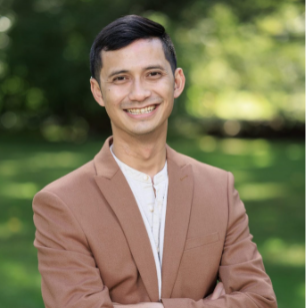 Max Aung, Ph.D., University of Southern California (maxaung@usc.edu)
Max Aung is an Assistant Professor of Environmental Health at the USC Keck School of Medicine. He holds leadership roles as Director of the Translational Research Core in the USC Southern California Environmental Health Sciences Center and as Director of Community Engagement in the USC ShARP Superfund Research Center and the USC Center for Translational Exposomics Research. He is also a current Harvard JPB Environmental Health Fellow. Dr. Aung’s research program focuses on investigating biological mechanisms linking environmental exposures to maternal and child health outcomes. He uses translational approaches to advance environmental health research, including experimental models, epidemiological studies, community-engagement, and science communication and policy translation.
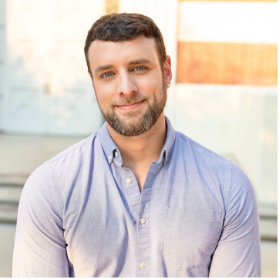 Adam Smith, Ph.D., University of Southern California (smithada@usc.edu)
Adam Smith is a Professor in the Astani Department of Civil and Environmental Engineering and serves as the Director of the Environmental Engineering Program at the University of Southern California. His work focuses on microbially driven engineered processes for water management, with an emphasis on resource recovery such as energy, nutrients, and water from waste streams. His research integrates advanced chemical, molecular, and bioinformatics tools to develop innovative biotechnologies aimed at improving water infrastructure. Dr. Smith is the Principal Investigator of Project 3 and Co-Director of the Research, Education, and Training Core (RETCC) for the Southern California Superfund Research and Training Program for PFAS Assessment, Remediation, and Prevention (ShARP).
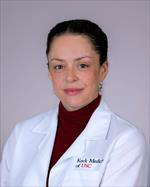 Ana Maretti, Ph.D., University of Southern California (marettim@usc.edu)
Ana Maretti Garcia, Ph.D., is an Assistant Professor of Research Medicine at the Keck School of Medicine of the University of Southern California. Her research focuses on uncovering how the immune system contributes to the progression of chronic liver diseases. She specializes in advanced transcriptomic analyses and real-time cellular behavior assays, leveraging these technologies to explore the molecular and cellular mechanisms driving liver dysfunction. She has developed an innovative in vitro model for MASLD using 3D human liver spheroids, integrating single-cell transcriptomics and epigenetics to investigate how environmental pollutants like PFAS influence the progression of MASLD and hepatocellular carcinoma (HCC). In addition to environmental factors, she is also exploring the role of dietary factors, such as cholesterol and sugar, in the onset of MASLD, aiming to uncover new strategies for prevention and treatment.
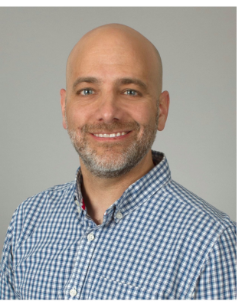 David Conti, Ph.D., Colorado School of Public Health
David Conti is Chair and Professor in the Department of Biostatistics and Informatics at the Colorado School of Public Health, where he also holds the Endowed Chair in Innovation. Previously, he served as Professor of Population and Public Health Sciences in the Division of Biostatistics at the University of Southern California. Dr. Conti is the Principal Investigator of the Data Management and Analysis Core for the Southern California Superfund Research and Training Program for PFAS Assessment, Remediation, and Prevention (ShARP). In this role, he collaborates closely with project leaders to oversee data and statistical analyses, focusing on managing data storage platforms, developing data processing pipelines across projects, providing statistical and bioinformatic support for environmental mixtures analysis, modeling the impact of potential interventions, and supporting data communication and education for project investigators.
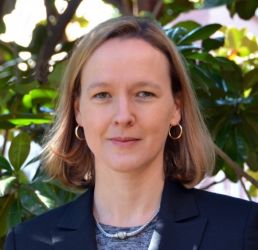 Rebecca Fry, Ph.D., University of North Carolina-Chapel Hill (rfry@email.unc.edu or 919-843-6864)
Dr. Fry currently serves as the Chair of the Department of Environmental Sciences and Engineering at UNC-Chapel Hill and The Carol Remmer Angle Distinguished Professor in Children’s Environmental Health also in the Department of Environmental Sciences and Engineering at UNC-Chapel Hill. Fry also serves as the Director for the Institute for Environmental Health Solutions. Her lab focuses on understanding how environmental exposures to toxic substances are associated with human disease. With a particular focus on genomic and epigenomic perturbations, her labs use toxicogenomic and systems biology approaches to identify key molecular pathways that associate environmental exposure with diseases. A current focus in the lab is to study prenatal exposure to various environmental contaminants including arsenic, cadmium, and perflourinated chemicals. Dr. Fry aims to understand molecular mechanisms by which such early exposures are associated with long-term health effects in humans. Ultimately, Dr. Fry’s lab aims to identify mechanisms of contaminant-induced disease and the basis for inter-individual disease susceptibility.
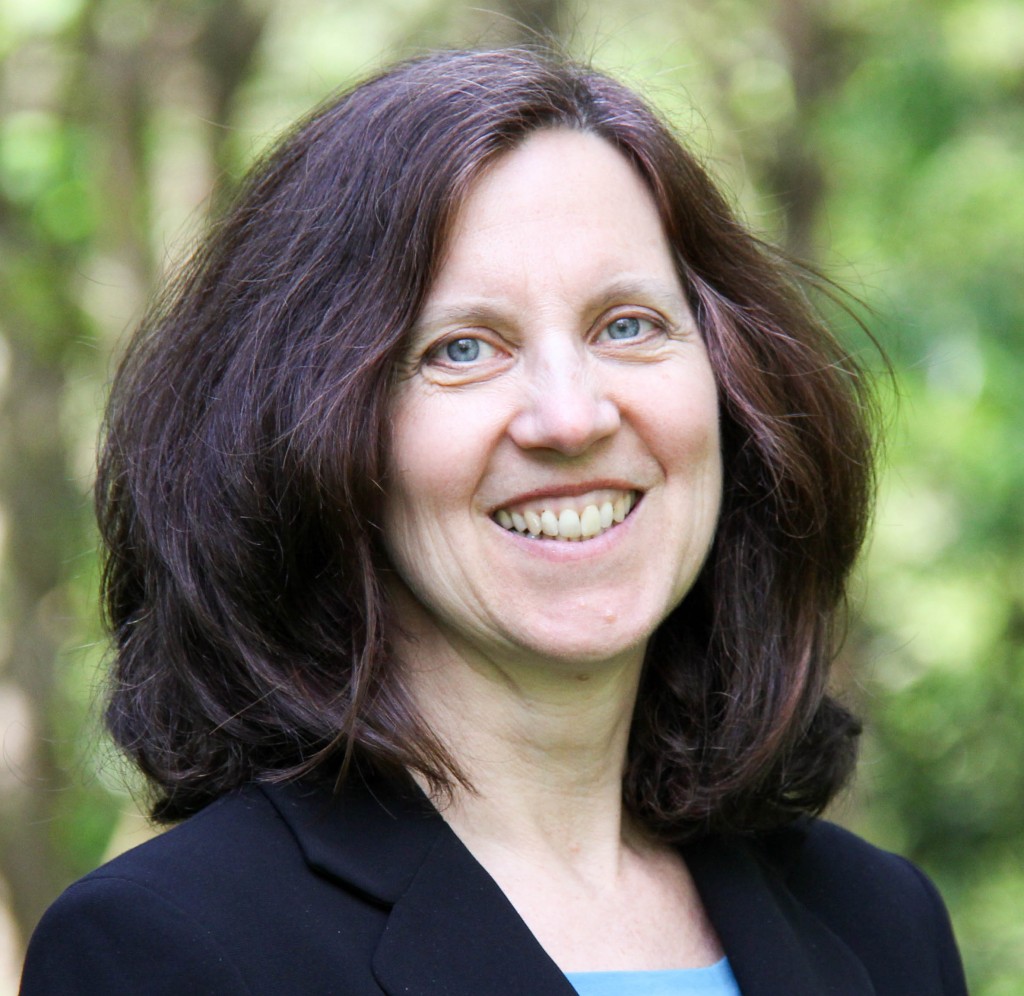 Kathleen Gray, University of North Carolina-Chapel Hill (kmgray@email.unc.edu)
Kathleen Gray leads the Center for Public Engagement with Science, a hub for informal science education and community engagement in the UNC Institute for the Environment. She also directs community engaged activities within the UNC Superfund Research Program and the UNC Center for Environmental Health and Susceptibility. Gray received a Ph.D. in science education from NC State University, an MSPH in environmental sciences and engineering from UNC-Chapel Hill, and a B.S. in mathematics from Vanderbilt University. Her scholarship focuses on informal science learning, understanding how environmental exposures affect health, and report-back of research results. Gray leads two multi-site collaborations that support programming for teachers and youth. Gray also has managed science communication efforts for large-scale research projects, such as the initial phase of the NC PFAS Testing Network, a statewide network of N.C. universities researching per- and polyfluoroalkyl substances (PFAS) in water and air. With stakeholders across N.C. and the U.S.‚ Gray collaborates to increase understanding of environmental exposures in NC communities and to inform strategies to address harmful exposures. She advises federal and state agencies and research centers at peer institutions, and her projects are supported by federal, state, and private sponsors.
 Fernando Pardo Manuel de Villena, Ph.D., University of North Carolina-Chapel Hill (fernando_pardo-manuel@med.unc.edu)
Fernando Pardo Manuel de Villena is Director of the Collaborative Cross project at the University of North Carolina (UNC), where the U.S. Collaborative Cross population is based. Their work focuses on systems genetics, integrating biological, computational, and statistical approaches to understand how genetic and environmental factors influence complex diseases, including cancer.
Their research emphasizes predictive biology, using the Collaborative Cross—a novel panel of recombinant inbred mouse lines—to test models of disease susceptibility. This work is central to the NIH-funded Center of Excellence in Systems Genetics (CISGen), advancing new approaches to studying complex traits.
Moderator:
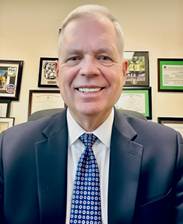 Ray Ledbetter, U.S. EPA Office of Superfund and Emergency Management (OSEM) (Ledbetter.Ray@epa.gov or 202-564-8564)
Ray Ledbetter brings over three decades of environmental expertise to his work, with a federal career spanning more than 17 years at the U.S. Environmental Protection Agency. Currently serving as an Emergency Management Specialist in OSEM's Workforce Readiness and Training Branch, he leads the planning and delivery of training programs for On-Scene Coordinators and Remedial Project Managers; including OSC Readiness, NARPM, the CERCLA Education Center, and the CLU-IN platform. Throughout his EPA tenure, Ray has held notable roles including Acting Special Assistant to the OEM Director, Acting Associate Director, and Physical Scientist with the Environmental Response Team. Beyond his federal service, he has been appointed three times by U.S. Presidents to the Selective Service System and volunteers as a Hazmat Safety Officer with the Baker Heights Volunteer Fire Department in West Virginia. Ray holds both an M.S. and B.S. in Geology and is licensed as a professional geologist in multiple states. He is a Certified Professional Geologist through the American Institute of Professional Geologists and holds the dual distinction of Chartered Geologist and Fellow of the Geological Society of London.
Webinar Slides and References:
-
 Slide Presentation for Heather Henry, Superfund Research Program (1.70MB/PDF)
-
Slide Presentation for Oregon State University (5.28MB/PDF)
-
Slide Presentation for University of Southern California (7.03MB/PDF)
-
Slide Presentation for University of North Carolina-Chapel Hill (9.13MB/PDF)
Additional Resources:
Thank you for participating in our webinar. We would like to receive any feedback you might have that would make this service more valuable.
Help & FAQs
- Frequently Asked Questions
- Content Questions?
Call Maura Cavagnaro at 202-715-3859 or maura.cavagnaro@nih.gov - Technical Problems?
Leave us a comment - Cancel Your Registration
- My Participation Records
- CEU Credits and PDHs
Zoom Resources
Before Webinar Day
This seminar will be delivered through Zoom. Participants are encouraged to update to the latest version of the Zoom application for the best experience.
If you are unable to install the Zoom application, most functions will be available if you join just using a modern web browser such as Chrome, Edge or Firefox. We strongly encourage you to run the Zoom Meeting Test prior to attending this webinar. Technical support on the day of the webinar will be very limited and subject to significant delays.
Backup Conference Call
If you cannot participate using online audio, you may join the optional call in line. After checking in for the live event using the instructions listed below, you will see several options to participate. Please click the links in option 4 to follow along by phone and obtain the call in number. If you cannot access the phone number, you may request the call in line from the event moderator in the Q&A or send an email to clu-in@epa.gov
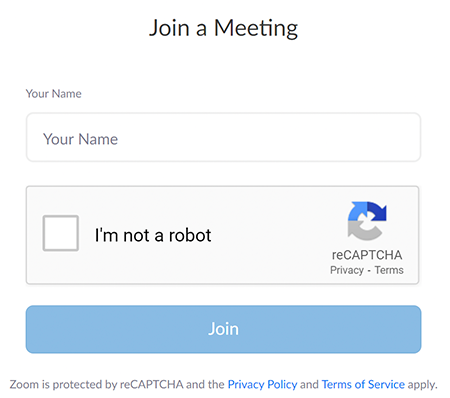
Click on "Join Webinar" at the top of this screen, enter your exact first and last name as you registered and enter the number of people attending at your location (including yourself). You should then be taken to the Zoom meeting room. Join with Zoom Application: For those joining with the Zoom application, you may be prompted to sign with a zoom account or join as a guest without signing in.
If joining as a guest, you will be prompted to enter your name and email address. Remember your name, image, video or voice may be visible to others in the live event. When done, click "Join" When it is time for the live event to start, the meeting host will admit you to the live Zoom meeting. Join via web browser (without the Zoom Application): For those joining with a web browser, you may close any pop ups prompting you to download the Zoom app. The next window will allow you to enter your name (first name and last name) and check the box that you are not a robot. Click the blue join button. You may also be asked to provide your email address before joining the room. Remember your name, image, video or voice may be visible to others in the live event. When done, click "Join" When it is time for the live event to start, the meeting host will admit you to the live Zoom meeting. You may need to periodically refresh the browser window to confirm if the host has admitted you. The presenters will control what slide you are viewing. You may submit questions online for the instructors to answer during the webinar by typing in the "Q&A" area. It is not necessary to wait until the question and answer periods to submit questions. At the end of the webinar you will be guided to our feedback form and links to additional resources, including the complete presentation. These links will remain active after the webinar. Provided for your convenience. Importing or accepting the invitation within this iCalendar file is not required, and declining the invitation does not cancel your registration. For additional information on iCalendar, please see our
iCalendar Help It is EPA's policy to make reasonable accommodation to persons with disabilities wishing to participate in the agency's programs and activities, pursuant to the Rehabilitation Act of 1973, 29 U.S.C. 791. Any request for accommodation should be made to at or , preferably one week or more in advance of the webinar, so that EPA will have sufficient time to process the request. EPA would welcome specific recommendations from requestors specifying the nature or type of accommodation needed. EPA welcomes specific recommendations from requestors specifying the nature or type of accommodation needed. Please note that CLU-IN provides both alternate phone call-in options and closed captioning for all webinars, and requests for these specific accommodations are not necessary.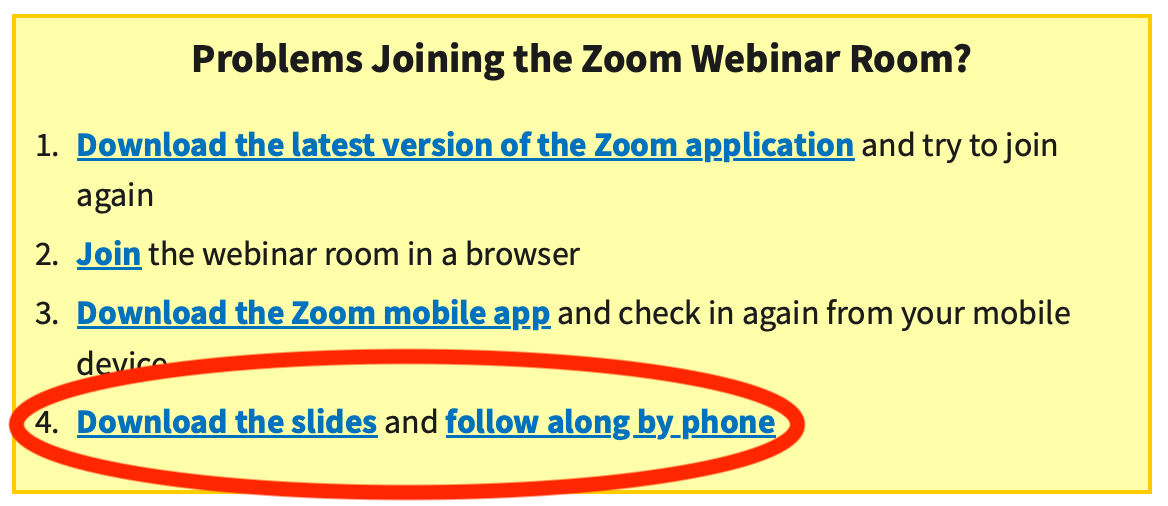
Webinar Day, Checking In


Moving Through Slides
Feedback & Links to Additional Resources
iCalendar File
Rehabilitation Act Notice for Reasonable Accommodation
Rehabilitation Act Notice for Reasonable Accommodation
It is EPA's policy to make reasonable accommodation to persons with disabilities wishing to participate in the agency's programs and activities, pursuant to the Rehabilitation Act of 1973, 29 U.S.C. 791. Any request for accommodation should be made to at or , preferably one week or more in advance of the webinar, so that EPA will have sufficient time to process the request. EPA would welcome specific recommendations from requestors specifying the nature or type of accommodation needed. EPA welcomes specific recommendations from requestors specifying the nature or type of accommodation needed. Please note that CLU-IN provides both alternate phone call-in options and closed captioning for all webinars, and requests for these specific accommodations are not necessary.
Webinar Recording
By participating in this CLU-IN webinar, you automatically agree to authorize recording of audio and visual content presented during this live event and consent to subsequent use of this recording in the public domain by the U.S. Environmental Protection Agency. This recording may include questions, comments and poll responses provided by you during the live event in addition to your name, voice, image or likeness. This recording will be made available after the conclusion of the live event as part of the CLU-IN webinar archives, and will remain available indefinitely. If you do not wish to consent to the recording, please do not join the live event, and contact clu-in@epa.gov to discuss your concerns.
Content Disclaimer
This webinar is intended solely to provide information to the public. The views and opinions expressed as part of this webinar do not necessarily state or reflect those of the U.S. Environmental Protection Agency. It is not intended, nor can it be relied upon, to create any rights enforceable by any party in litigation with the United States, or to endorse the use of products or services provided by specific vendors. With respect to this webinar, neither the United States Government nor any of their employees, makes any warranty, express or implied, including the warranties of merchantability and fitness for a particular purpose, or assumes any legal liability or responsibility for the accuracy, completeness, or usefulness of any information, apparatus, product, or process disclosed, or represents that its use would not infringe privately owned rights.